


Ο αόρατος άνθρωπος(1897)
Άρης ΣφακιανάκηςH.G. Wells
Στο δεύτερο μισό του δέκατου ένατου αιώνα, το "επιστημονικό μυθιστόρημα" παίρνει συνήθως τη μορφή του φανταστικού ταξιδιού. Τα περισσότερα μυθιστορήματα του Ιουλίου Βέρν έχουν αυτήν ακριβώς τη μορφή: πηγαίνουν του αναγνώστες τους πέντε βδομάδες ταξίδι με αερόστατο, ή στο κέντρο της γης, ή δέκα χιλιάδες λεύγες υπό τη θάλασσα. Το 1895 ο Γουέλς μας παίρνει για το πρώτο ταξίδι με τη "Μηχανή του χρόνου", και το 1901 στο φεγγάρι.
"Ο αόρατος ανθρωπος" είναι, ωστόσο, κάτι παραπάνω από "επιστημονικό μυθιστόρημα". Είναι σπουδή ενός χαρακτήρα, ενός ανθρώπου που προσπαθεί να γίνει ασυνήθιστος, ανώτερος από τους άλλους ανθρώπους, ενός ανθρώπου που βλέπει στον εαυτό του και στη μοναδικότητά του μια ανώτερη δύναμη, αυτήν που φτιάχνει τους δικτάτορες.
Infos
192
Paperback
Greek, Modern (1453-)
3
3
Γράμματα
2/2/1897
9789603291671
9603291676
United Kingdom
2/2/1897
English
More from Άρης Σφακιανάκης
Four Masterworks (1895‒1898) Series
BOOK 1
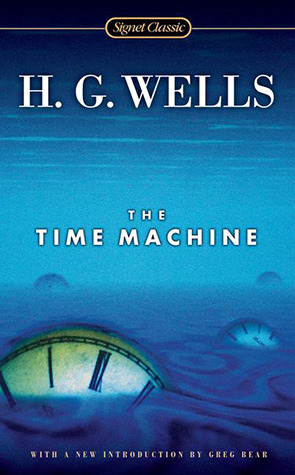
The Time Machine
BOOK 1, 2, 3

The Time Machine / The Invisible Man / The Island of Dr Moreau
BOOK 1, 2, 4

The Time Machine / The War of the Worlds / The Island of Dr. Moreau
BOOK 1, 3

The Time Machine / The Invisible Man
BOOK 1, 3, 4

The Time Machine / The Invisible Man / The War of the Worlds
BOOK 1, 4

The Time Machine / The War of the Worlds
BOOK 2

The Island of Dr. Moreau
BOOK 2, 3

The Invisible Man / The Island of Dr. Moreau
BOOK 2, 3, 4

The First H.G. Wells Omnibus
BOOK 3

The Invisible Man
BOOK 4

The War of the Worlds
BOOK 1-4

The Works of H.G. Wells
Reviews
Different Editions
Collections
Nothing here
¯\_(ツ)_/¯