




The Lord of the Rings: The Two Towers(2002)
The journey continues.
Imdb
8.80
2M VotesTmdb
8.43
24K VotesViewings
No viewings yet. Add one to start tracking.
Frodo Baggins and the other members of the Fellowship continue on their sacred quest to destroy the One Ring--but on separate paths. Their destinies lie at two towers--Orthanc Tower in Isengard, where the corrupt wizard Saruman awaits, and Sauron's fortress at Barad-dur, deep within the dark lands of Mordor.
Where to watch

Infos
Runtime
179 minutes
179 minutes
Directed by
Peter Jackson
Peter Jackson
People Interested
16
16
People Finished
460
460
Release Status
Finished
Finished
Release Date
12/18/2002
12/18/2002
Original Language
English
English
Origin Country
New Zealand
United States
Cast
Related Titles
Sequel
0
9.00
Movie
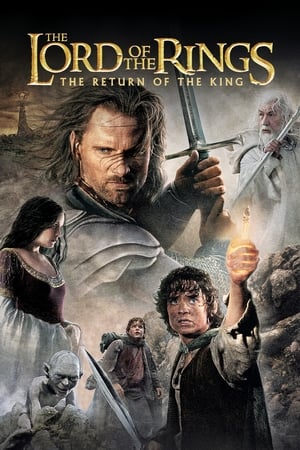
The Lord of the Rings: The Return of the King
Prequel
0
8.90
Movie
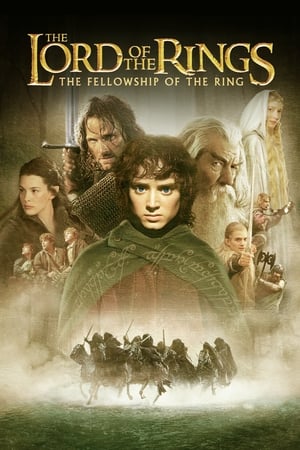
The Lord of the Rings: The Fellowship of the Ring
Same Universe
0
7.80
Movie

The Hobbit: The Desolation of Smaug
Same Universe
0
7.80
Movie
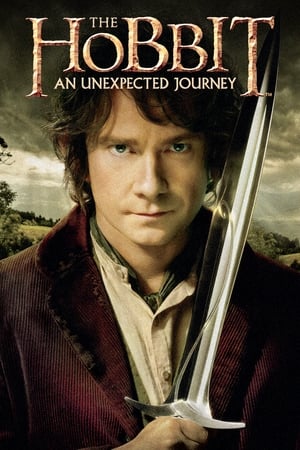
The Hobbit: An Unexpected Journey
Same Universe
0
7.40
Movie
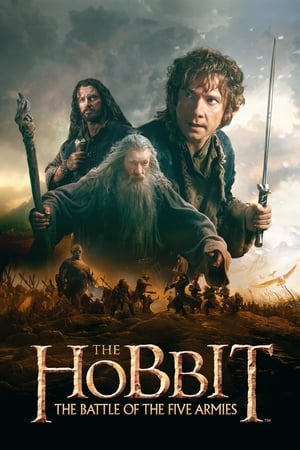
The Hobbit: The Battle of the Five Armies
Same Universe
0
6.80
Tv

The Lord of the Rings: The Rings of Power
Recommended Titles
Reviews
aleks-predator
3 days ago
9
Back to Middle-earth: Scale, Emotion, and Gollum
If "The Fellowship of the Ring" felt like a solemn prologue, then "The Two Towers" is already a fully developed chapter of a great saga. Everything that was tentatively introduced and carefully presented in the first film gains real scale here. And although Peter Jackson remains faithful to Tolkien, the second part of the trilogy already “breathes” differently. The film becomes darker, more layered, and inevitably grander. After this movie, the first part feels more like a prologue. The truly spectacular events begin with the sequel.
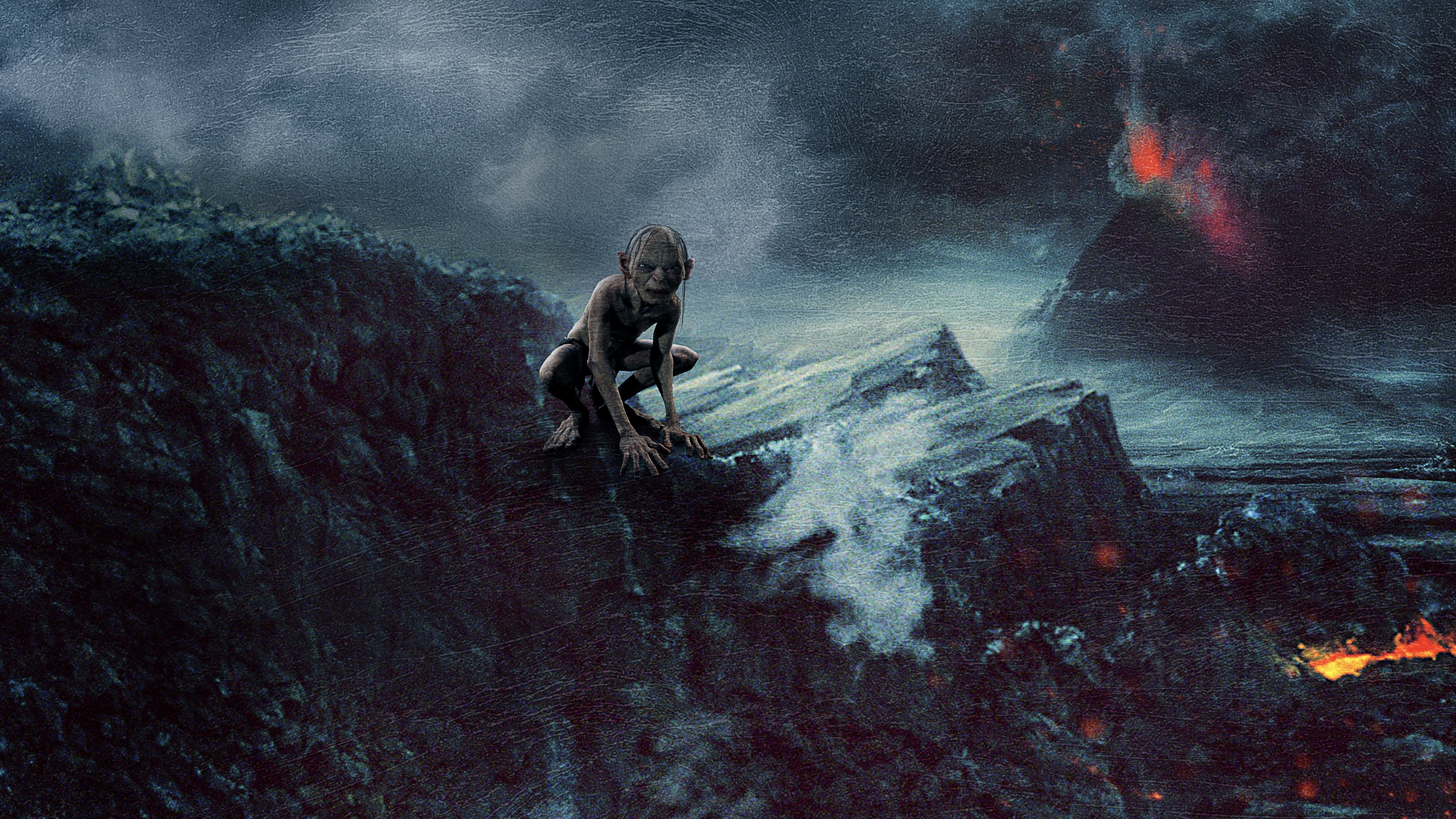
"The Fellowship’s" breakup at the end of the first film immediately creates several separate storylines. Frodo and Sam (Elijah Wood and Sean Astin) continue their journey toward Mordor, and at first their partnership feels almost intimate, if you will. But against the backdrop of the other storylines, it quickly becomes clear to me that this is the emotional core of the film. Gollum joins the heroes, and that is where things get really interesting. Andy Serkis is a fantastic actor. Looking at his work from the perspective of modern cinema, it is hard to argue otherwise. In The Two Towers, he gives an outstanding performance, even though he is wearing motion-capture sensors and the character we see on screen is entirely digital. His Gollum is brought to life incredibly well. He is a living, genuinely frightening metaphor for addiction, inner division, and pain concentrated within a single living creature. The CGI directly serves the character. In 2002, it looked like a miracle. Today, it feels like the beginning of a new era in cinema.
At the same time, a storyline of truly epic military scale develops. Aragorn, Legolas (Orlando Bloom), and Gimli (John Rhys-Davies) find allies in Rohan, and this is where the film becomes genuinely epic. King Théoden (Bernard Hill) appears, along with the mythical expanses of the plains and a war in which not only the fate of a people is at stake, but also the question of leadership. Viggo Mortensen increasingly grows into the role of the future king. He does it very subtly, portraying his character as restrained, yet possessing an important inner strength that can be felt in every look. Ian McKellen, returning in a new form as Gandalf the White, seems to bring closure to the doubts he carried before. He almost brings a sense of light to the film — something desperately needed as the darkness of this world continues to deepen.
I would call the greatest achievement of "The Two Towers" its intelligent balance. Jackson manages to keep a complex narrative structure under control, successfully shifting the viewer’s attention between different fronts, emotional beats, and dramatic moments without losing the rhythm. The Battle of Helm’s Deep is an excellent climax, with every scene carefully constructed and incredibly engaging. You can feel the scale, the drama is there, and the cinematography is designed to immerse the viewer in the action. I have rewatched the film several times, and I’ve caught myself feeling chills during the battle every single time. And yes, for me, it remains one of the best battles in cinema. And not just because it looks beautiful. Because it is frightening, because the stakes are clear, and because the characters are pushed to their limits.
There were also well-deserved awards. The Oscars for Sound Editing and Visual Effects are only the tip of the iceberg. What matters most is how the film feels. Yes, it demonstrates the impressive capabilities of new technology, but it also brings a legend to life. Every detail — whether it is Gollum turning his head or an enormous battle unfolding on screen — serves the atmosphere and our belief in what is happening.
"The Two Towers" is a powerful continuation and, at the same time, a significant leap forward in quality. Jackson is not afraid to make the material heavier, deepen the conflict, and move toward a more mature and darker tone. The source material itself demands it. Middle-earth expands geographically, psychologically, and emotionally. And if "The Fellowship of the Ring" was mostly about assembling the players on the board, here the real chess game begins.
I’m not sure this is everyone’s favorite installment. It is less cohesive than the first film and not as triumphantly grandiose as "The Return of the King". But this is exactly where the trilogy finally finds its audience and its grand path, if you will. And if you were still wondering why Gollum was necessary, whether Mortensen could truly carry Aragorn, or whether the hobbits had enough courage, then after "The Two Towers", there will be no doubts left. Only anticipation for the finale.
And it will come.
9 out of 10