






Mutiny on the Bounty(1935)
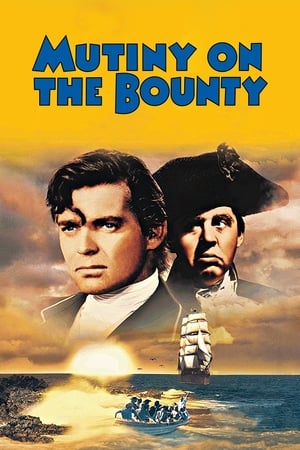
Clark Gable as the daring mutineer in the screen's most exciting adventure story!
Imdb
7.60
26K VotesTmdb
7.30
370 VotesViewings
Fletcher Christian successfully leads a revolt against the ruthless Captain Bligh on the HMS Bounty. However, Bligh returns one year later, hell bent on revenge.
Infos
Runtime
132 minutes
132 minutes
Directed by
Frank Lloyd
Frank Lloyd
People Interested
4
4
People Finished
3
3
Release Status
Finished
Finished
Release Date
11/22/1935
11/22/1935
Original Language
English
English
Origin Country
United States
Cast
Recommended Titles
Reviews
aleks-predator
4 months ago
7
Clash on the High Seas
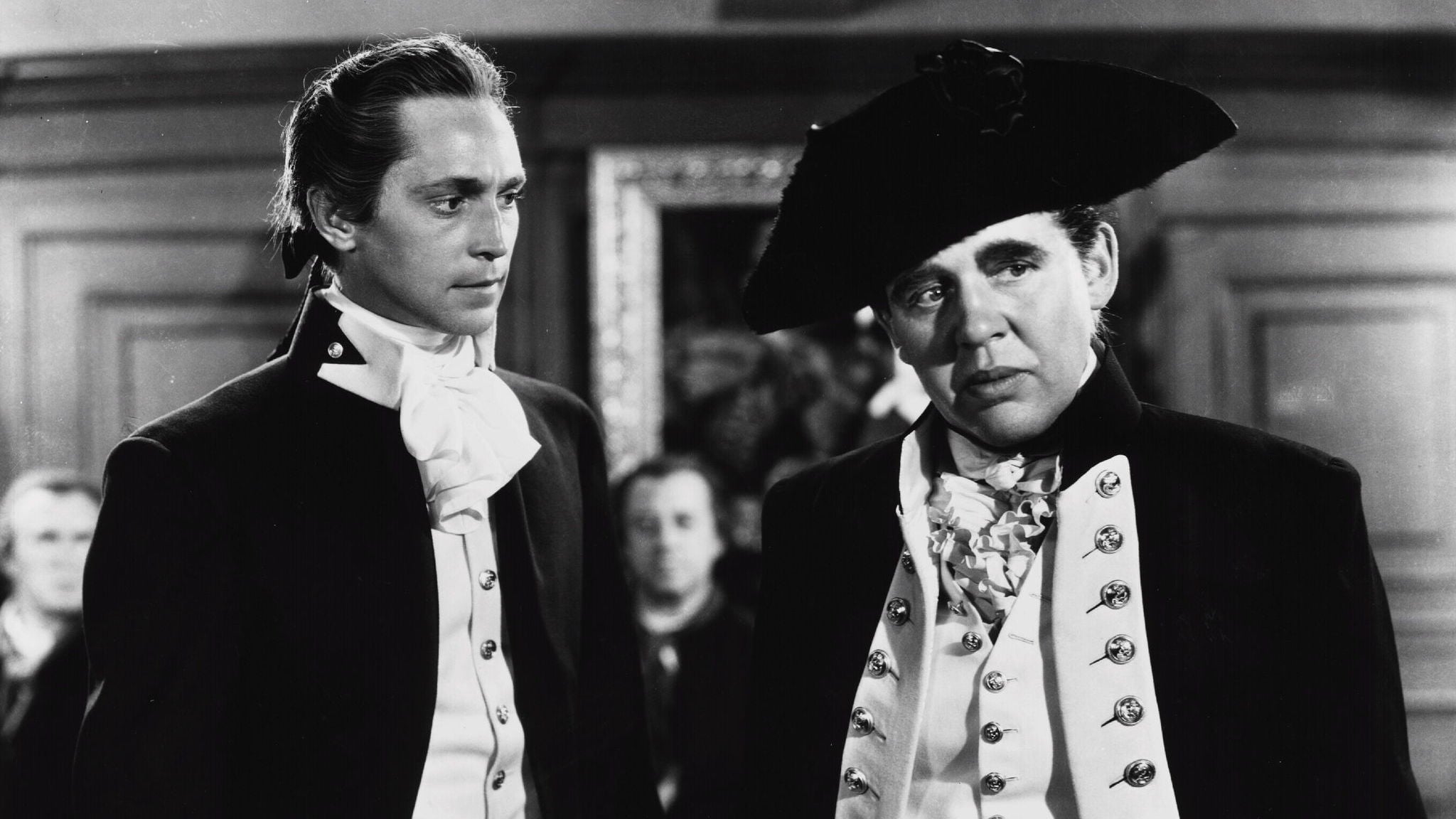
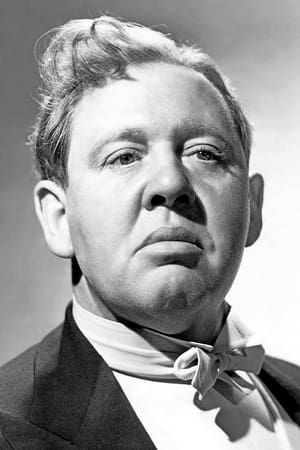
"Mutiny on the Bounty" is, in my opinion, one of the finest performances from both Clark Gable and Charles Laughton. I’ve seen their acting in many films, but here they truly shine, each bringing to life roles that feel iconic not only for their era but also for the historical period in which the story takes place.
This is the well-known true story of the 1789 mutiny aboard the HMS Bounty during its voyage across the Pacific Ocean. What happened next is presented in this 1935 film. Later, two more notable adaptations of this incident appeared—in 1962 and 1984—but it’s the first version that stands out for its raw sense of drama.
From the opening minutes, the film grips you with its story. Though the ship is full of characters, it’s the relationship between Captain William Bligh and his officer Fletcher Christian that commands center stage. Laughton plays Bligh, while Gable takes on Christian. Both are consummate professionals who leave no doubt about the sincerity of their performances.
Bligh is portrayed as a true patriot, a man devoted to unquestioned discipline on his vessel. He is fair, yet often harsh, sometimes visibly torn over his decisions—but his upbringing and strict sense of duty push him toward the harshest, even cruel, measures against his crew. Laughton masterfully conveys the emotions of a man who should be a positive figure, yet refuses to see the growing rebellion around him. Had he chosen to balance firmness with wisdom, he might have become a respected leader rather than a tyrant.
Christian initially stands by Bligh—after all, he’s his right hand. At first, Fletcher supports the captain’s decisions, but over time he finds himself increasingly at odds with Bligh, and eventually comes to reject his tyranny outright, just as the sailors do. Gable brilliantly conveys the tension of this evolution. His Christian is riddled with doubts, caught between loyalty to his captain and responsibility to the men of the Bounty.
All of these conflicts, which at times feel almost unnecessary from a modern perspective, culminate in the mutiny. Of course, it was another time, governed by rigid naval codes, but today it’s hard to grasp that such breakdowns could erupt simply because people couldn’t find common ground. Oppression bred resentment, and resentment exploded into revolt.
To me, the film touches on one of the era’s most pressing issues: tyranny and the domination of one group over another. Perhaps (this is just my speculation) it’s no coincidence the movie was made in the mid-1930s, at a time when regimes built on the suppression of peoples were rising. The film almost foreshadows what happens when an oppressor crosses the line, pushing people to the point of no return—until they inevitably rise up.
Visually, the film holds up remarkably well for its time. It’s a strong production, full of variety and narrative cohesion. Viewers get to enjoy the ship itself, the dynamics of its crew, the psychological duel between captain and officer, the beauty of faraway Tahiti, and the lives of its islanders.
The film immerses you completely in a world separated from us by centuries and thousands of miles, with values and customs far removed from our own. Yet, it delivers a timeless message: people will not endure tyrants forever. Eventually, one way or another, they rise up and overthrow them—a truth history has confirmed again and again.
7 out of 10