


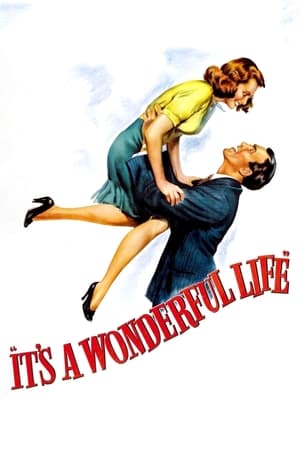



It's a Wonderful Life(1946)
It's a wonderful laugh! It's a wonderful love!
Imdb
8.60
561K VotesTmdb
8.28
5.1K VotesViewings
No viewings yet. Add one to start tracking.
George Bailey has spent his entire life giving to the people of Bedford Falls. All that prevents rich skinflint Mr. Potter from taking over the entire town is George's modest building and loan company. But on Christmas Eve the business's $8,000 is lost and George's troubles begin.
Where to watch

Infos
Runtime
131 minutes
131 minutes
Directed by
Frank Capra
Frank Capra
Written by
Albert HackettFrances GoodrichFrank Capra
Albert HackettFrances GoodrichFrank Capra
People Interested
19
19
People Finished
101
101
Release Status
Finished
Finished
Release Date
12/20/1946
12/20/1946
Original Language
English
English
Origin Country
United States
Cast
Recommended Titles
Reviews
aleks-predator
3 months ago
8
A Christmas Story About Why We Matter
I approached "It's a Wonderful Life" knowing full well that it was an old film—nearly eighty years old, in fact. But some movies simply don't age. Frank Capra tells a story about something simple yet profoundly important: every person's life matters. It may sound like a cliché. In Capra's hands, it doesn't.
George Bailey is the heart of this remarkable story. He's an ordinary man who spends year after year putting his own dreams aside for the sake of others. His family, his town, other people's troubles—they always come first. Then comes the moment when he realizes that life seems to have passed him by. Everything gets even worse when he suddenly finds himself responsible for the disappearance of a large sum of money. How it happens isn't really the important part. What matters is that this event pulls the trigger, releasing years of bottled-up frustration like a tightly wound spring finally snapping. Cornered on Christmas Eve, George decides the world would have been better off if he'd never been born. That's when his guardian angel appears and shows him what life would have been like without him.
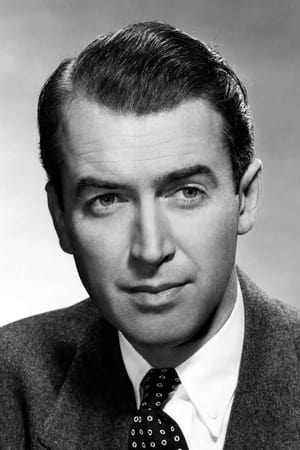
James Stewart lives every single scene. His George is full of doubt and pain, yet so warm and deeply human that, at times, it's impossible not to see yourself in him. He's kind, humble, occasionally funny, and wonderfully ordinary. It's another outstanding performance from Stewart. Donna Reed is equally impressive as Mary, the love of George's life. She becomes the embodiment of quiet strength, unwavering support, and hope. Their relationship is beautifully written and remains one of the film's strongest elements. They're simply two people who never stop standing by each other.
The first time I watched the film, it was in black and white. Years later, I revisited it in its colorized version. What struck me was how much stronger the original black-and-white presentation feels. The film only benefits from it. The lighting, the shadows, the mood of every scene—they all enhance the atmosphere. The ending is especially powerful, as George returns to reality after seeing his life from a completely different perspective and finally understands how precious it truly is. It's worth mentioning that the film has a substantial runtime for its era, lasting around two hours and ten minutes. Yet the final resolution occupies only about twenty-five minutes. To me, it felt slightly rushed. Perhaps Capra could have expanded it a little more, but it also seems clear that he wanted to accelerate the pace and push George to his emotional breaking point as quickly as possible. And it works.
When the film was first released, it was a box-office failure. The studio went bankrupt, and it seemed destined to be forgotten. Everything changed years later, when television stations began airing it every Christmas. Since then, it has become a holiday tradition—a film families watch together year after year. Personally, I wouldn't call it a typical Christmas movie. It's much more serious and melancholic than the kind of festive entertainment people usually seek during the holidays. But it's an incredibly important film for anyone going through a difficult time. It reminds us that every single person matters.
"It's a Wonderful Life" touches the heart because of its sincerity. Kindness, compassion, and simply being there for others are what give our lives meaning. Even if all you've done is keep a small bank afloat, help a friend, or stand beside someone when they needed you most, you've already changed another person's life. The film reminds us that each of us has the potential to become someone else's miracle. And that's more than enough reason to keep living.
8 out of 10