

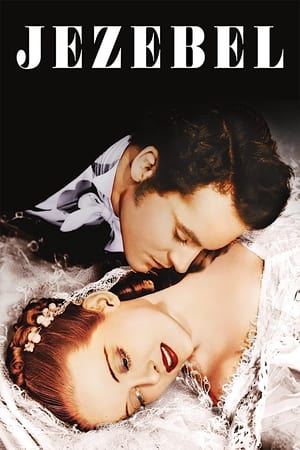






Jezebel(1938)
Half angel, half siren, all woman.
Imdb
7.40
16K VotesTmdb
7.00
216 VotesViewings
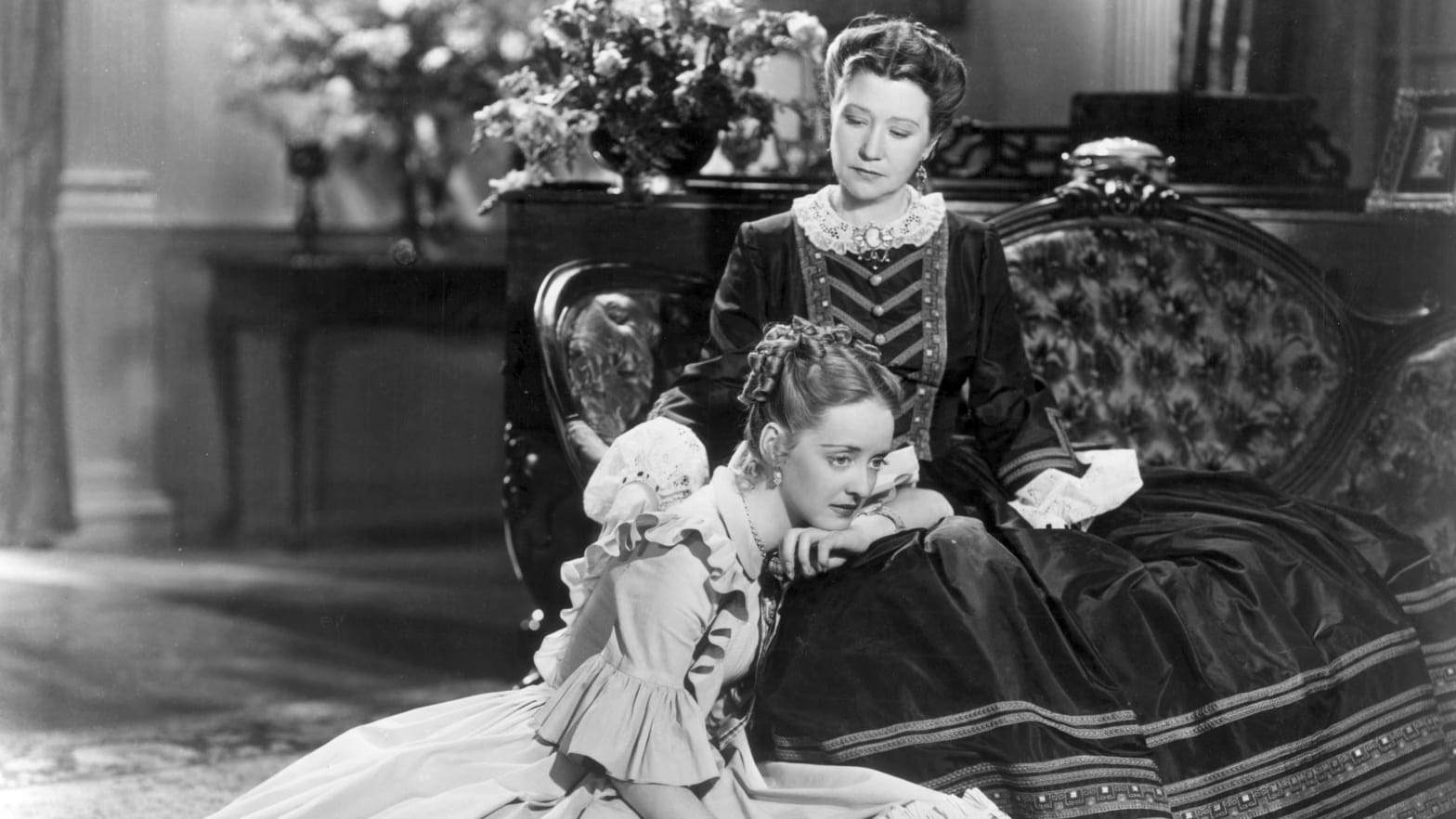
In 1850s Louisiana, the willfulness of a tempestuous Southern belle threatens to destroy all who care for her.
Infos
Runtime
103 minutes
103 minutes
Directed by
William Wyler
William Wyler
People Interested
1
1
People Finished
2
2
Release Status
Finished
Finished
Release Date
3/26/1938
3/26/1938
Original Language
English
English
Origin Country
United States
Cast
Recommended Titles
Reviews
aleks-predator
4 months ago
7
Of Times Long Past
Sometimes old films are fascinating precisely because of how they are presented. It is especially interesting to watch such works from the perspective of the twenty-first century, when life is so different in almost every way. It becomes even more intriguing when you watch a film made in 1938 that depicts events set in 1852. You clearly realize that nearly a full century separates you, the viewer, from the film, and that the creators of the story were themselves separated from the events on screen by roughly the same hundred years. It feels as if you are witnessing two eras at once: a cinematic one and a historical one — the twentieth and the nineteenth centuries, respectively. And the result is genuinely captivating.
The film tells the story of a young woman named Julie, whose actions provoke the outrage of society and lead to a falling-out with her fiancé, Preston. Determined to assert her independence, she arrives at a ball wearing a colored dress, even though unmarried women are expected to wear white only. This act results in Preston leaving town. For an entire year, Julie suffers from love, blaming herself for everything that went wrong, until her fiancé finally returns. However, he does not come back alone — he arrives with a wife. At this point, Julie decides to fight for her happiness, unwilling to let the man she loves go so easily.
Bette Davis is one of the most famous and memorable actresses of her era — the period commonly referred to as Hollywood’s Golden Age. She had a distinctive appearance, most notably her incredibly sad, expressive eyes. In this film, she brilliantly conveys the complexity of her character, and several key scenes fully demonstrate Davis’s ability to truly inhabit a role. Her Academy Award for Best Actress is absolutely well deserved.
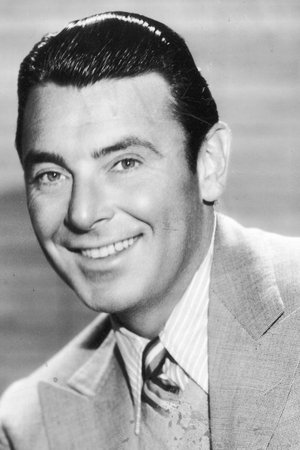
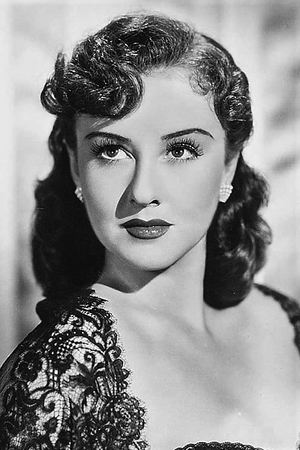
The supporting cast is also strong. I would especially highlight the charismatic Henry Fonda as Preston, Fay Bainter — who also received an Academy Award for Best Supporting Actress — and Margaret Lindsay in the role of Preston’s wife, Amy.
The film raises important historical themes, including the strained relationship between the North and the South, with all their well-known conflicts and prejudices. The brewing tension is portrayed convincingly — tension that, just a decade later, would erupt into the American Civil War. Another significant storyline addressed is the yellow fever epidemic, a disease that was extremely dangerous in past centuries. The way people feared it and behaved in response is portrayed with interest and care. Director William Wyler and his team place the right accents, weaving important historical events into the fabric of the narrative. A third theme the film seems to highlight is that of rigid social conventions — such as the expectation that a woman must dress a certain way for a ball. At the time, this was of great importance. From today’s perspective, it can feel strange, and one can’t help but think how many serious problems existed, while people in the mid-nineteenth century were collectively obsessed with the color of the heroine’s dress. Admittedly, even today we can find similar debates about what is appropriate to wear for certain occasions. Still, the modern world feels so much more complex that the original conflict at the heart of the film may seem almost trivial. Of course, it’s important to recognize that every event carries weight within its own historical moment.
The film is good. At one time, I didn’t like it, but revisiting it years later, I suddenly discovered a meaningful and compelling story about people willing to fight for their happiness, for others, and for their own convictions. Each character has their own truth, and the filmmakers convey these perspectives convincingly through the language of cinema.
I enjoyed the film. It is a solid and engaging work that offers a glimpse into classical Hollywood filmmaking and allows the viewer to explore the complexities of past centuries.
7 out of 10