

The Man Who Saved the World(2014)
Every moment counts
Imdb
7.50
2.8K VotesTmdb
6.80
55 VotesViewings
A documentary film about Stanislav Petrov, a former lieutenant colonel of the Soviet Air Defence Forces.
Infos
Runtime
120 minutes
120 minutes
Directed by
Peter Anthony
Peter Anthony
Written by
People Finished
2
2
Release Status
Finished
Finished
Release Date
8/13/2014
8/13/2014
Original Language
Danish
Danish
Origin Country
Denmark
Latvia
Sweden
United States
Cast
Recommended Titles
Reviews
aleks-predator
9 months ago
9
Let’s forget the past — it was so long ago.
But forgetting isn’t right. It’s better to always remember. And for many, myself included, it’s worth actually learning this fascinating — and I wouldn’t be lying if I said terrifying — story.
I don’t even recall how this film ended up on my watchlist, but when I read the synopsis before pressing play, I was horrified. Could this really have happened? And it did?
Now, onto the film and its events. The picture is presented almost like a documentary, telling the story of a real man named Stanislav Petrov. In 1983, he was in charge of a military unit that routinely monitored potential missile threats. Then several air defense alerts went off, indicating that nuclear missiles had been launched at the USSR. Petrov had to make a decision: confirm the information or deny it. The first option meant a guaranteed Soviet nuclear counterstrike. The problem was, the warning system detected the attack, but visually it couldn’t be confirmed. I’m sure those were agonizing minutes of waiting, with nerves stretched to the breaking point for everyone involved, especially for Stanislav — the man who, in the end, saved the world.
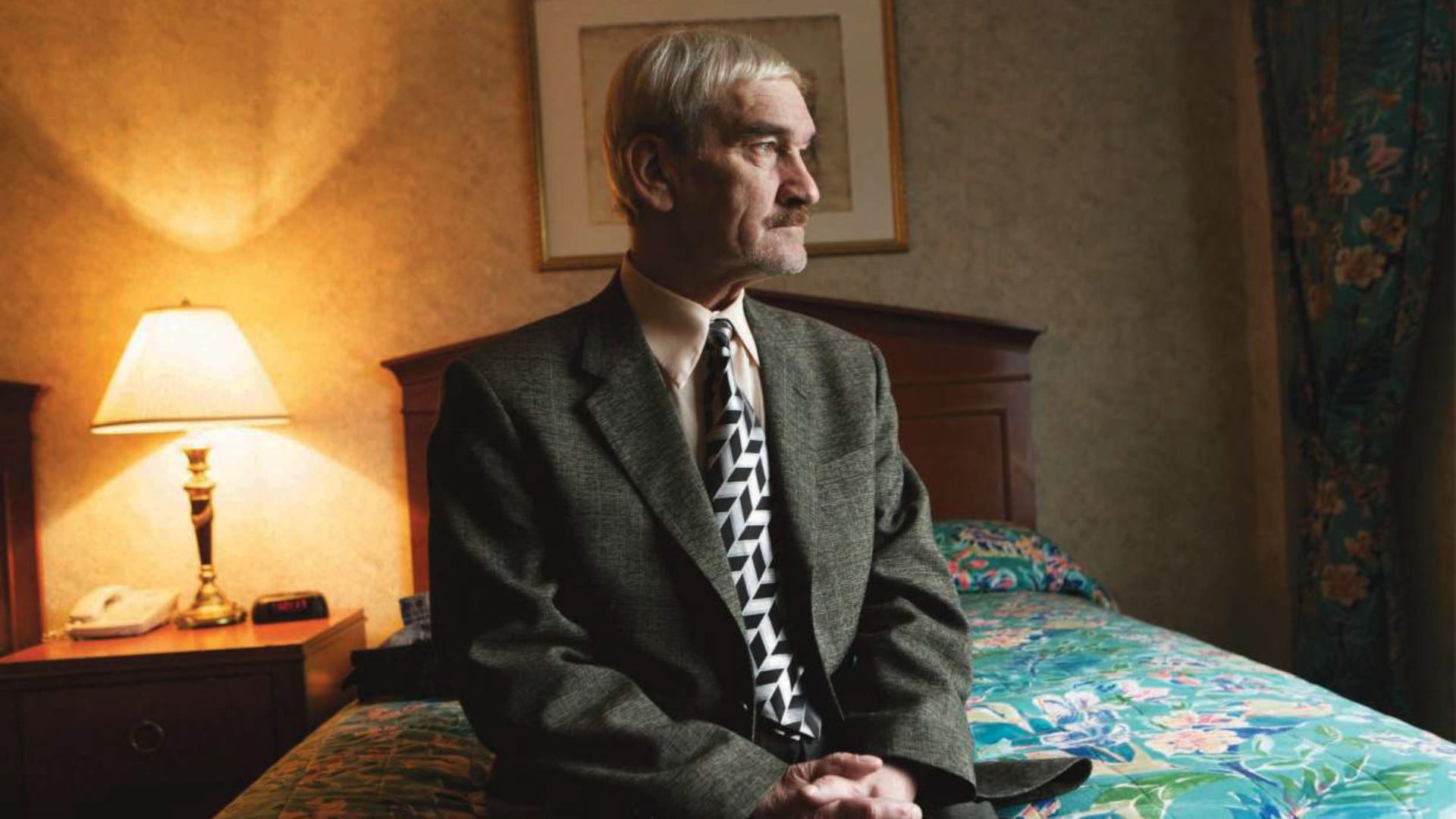
The story shows Petrov as himself. He’s not an actor, just a forgotten man living out his final years in modern Russia. Then he gets invited to the United States to share his story. This journey is what the viewers get to see. A great decision was made to include dramatized re-creations of that fateful incident when nuclear apocalypse nearly began. These staged scenes interweave with the documentary parts, complementing one another effectively.
During his trip, Stanislav and his interpreter Raya rediscover the world — often for each other — as they argue, clash openly, but ultimately come to understand and accept one another’s perspective. This thread of the film is particularly engaging. A young woman and an elderly man often struggle in vain to understand what each of them is truly seeking. Yet, by the end, it seems to me, they both succeed.
The film also touches on Petrov’s relationship with his mother, allowing the viewer to see how it unfolded and where it led.
The movie raises a number of important questions, still relevant today. What are ordinary people from different countries to each other? How did it come to be that, for decades, people were taught to hate others across the ocean? Who spreads such ideas, and why? Each viewer will find their own answers. But simple encounters with American citizens reveal something both to Stanislav and to those he meets: people are people, and they are friends to one another. We’ve been ready for this for a long time. And the imposed notions that Russians and Americans hate and want to kill each other crumble the moment you watch their dialogues — thoughtful, humane, and often strikingly similar.
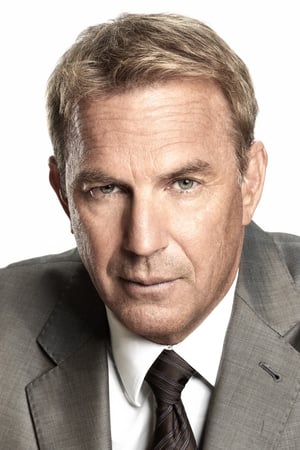
Several Hollywood stars appear in the film, which adds a special touch of value. One memorable moment is Petrov’s meeting with his favorite actor, Kevin Costner. Costner, like everyone else who learns about Stanislav’s decision not to confirm the missile attack, thanks him from the bottom of his heart, suddenly realizing that back in 1983, the world could have been turned to ashes.
Some criticize the film, saying it feels staged and inauthentic. But wait — the lead here isn’t an actor, he’s the actual man who lived through these events, simply playing himself. Is acting skill really what matters most in this case? I believe the true goal was to convey to people how dangerous and contradictory that era was. It was a mix of contradictions and sheer human folly that led to the incident in the first place. And what guarantees do we have that it won’t happen again? None. People are still blind, still hostile. That’s why this film is so vital. It doesn’t just show what happened — it teaches us to rethink the present.
"The Man Who Saved the World" is undoubtedly an essential film. It’s a reminder to everyone on Earth that catastrophe is always a possibility. The sword still hangs over all our heads, held by several hotheads — and when it falls is only a matter of time. It’s time to understand that wars and nuclear threats don’t solve problems. Not in the 21st century. A civilized world has long since found other answers.
9 out of 10