






Mrs. Miniver(1942)
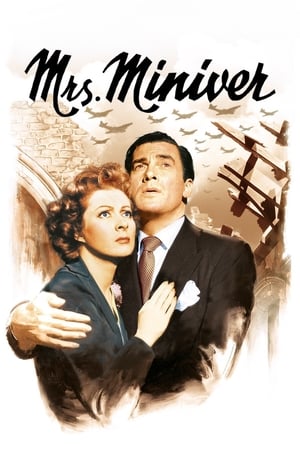
"Mrs. Miniver" is more than a picture... It's dramatic. It's tender. It's human. It's real.
Imdb
7.60
21K VotesTmdb
7.10
290 VotesViewings
No viewings yet. Add one to start tracking.
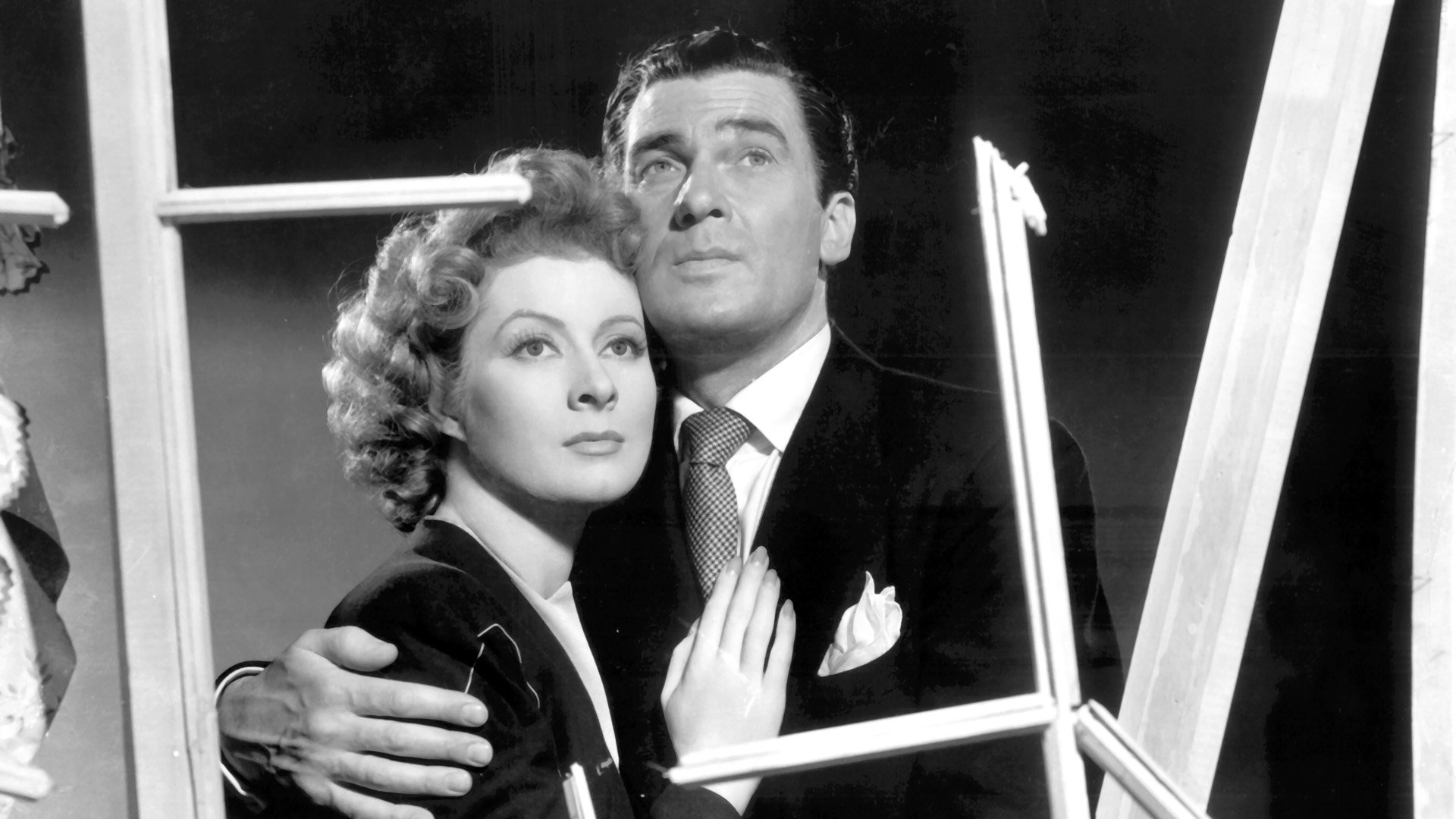
Middle-class housewife Kay Miniver deals with petty problems. She and her husband Clem watch her Oxford-educated son Vin court Carol Beldon, the charming granddaughter of the local nobility as represented by Lady Beldon. Then the war comes and Vin joins the RAF.
Where to watch

Infos
Runtime
134 minutes
134 minutes
Directed by
William Wyler
William Wyler
People Interested
1
1
People Finished
5
5
Release Status
Finished
Finished
Release Date
7/3/1942
7/3/1942
Original Language
English
English
Origin Country
United States
Cast
Recommended Titles
Reviews
aleks-predator
4 months ago
7
A Life That Changed
"Mrs. Miniver" is a 1942 film directed by William Wyler that I watched not for its war scenes or heroic feats, but out of curiosity: how did filmmakers of that time portray war without showing the front lines? This is a story about an ordinary English family living their everyday life — with its worries, joys, and traditions — until war suddenly enters that life. At first, it feels distant and almost unnoticeable, but then it grows louder, closer, and more frightening.
The plot moves at a slow pace. Much of it is built on dialogue, glances, and what remains unsaid. For some viewers, this kind of storytelling is a strength, especially if you’re in the mood for a thoughtful, quiet film. For others, like me, it can feel a bit tiring at times. But it’s honest: it shows how people live on the home front without exaggeration or decoration. There’s room here for many things — new love, interesting relationships, sudden drama, and unexpected turns. And tragedy, of course. Because war is a tragedy for everyone. We often think the worst happens on the battlefield, but this film clearly shows how people suffer behind the lines — people who never picked up a weapon, yet still found themselves under enemy fire and bombs.
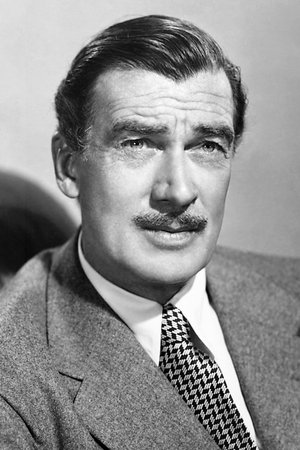
The acting stood out to me. Greer Garson is especially strong here. On the surface, she’s simply a wife and mother, the head of the household. But beneath that, you can see the powerful inner strength of her character. Her looks from scene to scene often say more than words. She is calm, composed, yet resilient — the kind of woman who holds everything together. A powerful performance, and her Academy Award win feels well deserved. Walter Pidgeon is also very good — reserved and balanced, but never dull. Both actors feel natural and believable.
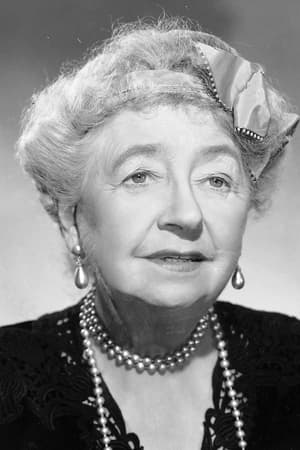
Another standout performance comes from Teresa Wright, who plays the young and lively Carol Beldon. She brings so much energy to the role that it feels like enough for everyone around her. Bright, quick-witted, and full of life, she delivers a memorable performance. Her Academy Award for Best Supporting Actress is well deserved. The supporting cast is also strong: May Whitty, Richard Ney, Henry Travers — all have important and vivid roles, but without unnecessary pathos or forced drama. Even smaller roles are handled well.
The film won six Academy Awards, including Best Picture and Best Director, as well as both female acting categories. I wouldn’t necessarily call it timeless, but in 1942 it likely hit exactly the right note. Even today, many years later, it feels like a quiet reminder of what real loss and real war look like — a war that enters every home, whether the front line is near or far.
If you enjoy dramas where it’s not so much about what happens, but about how characters experience it, "Mrs. Miniver" might be a very accurate fit. Don’t expect much action, but in the moments that matter, the film works quite powerfully.
7 out of 10