




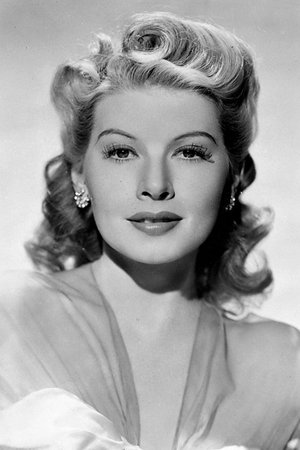
Yankee Doodle Dandy(1942)
Get ready to Laugh, to Sing, to Shout! ...For here comes Uncle Sam's Star Spangled Yankee Doodle Dandy!
Imdb
7.60
18K VotesTmdb
7.10
233 VotesViewings
No viewings yet. Add one to start tracking.
A film of the life of the renowned musical composer, playwright, actor, dancer and singer George M. Cohan.
Where to watch

Infos
Runtime
126 minutes
126 minutes
Directed by
Michael Curtiz
Michael Curtiz
Written by
Julius J. EpsteinEdmund JosephRobert Buckner
Julius J. EpsteinEdmund JosephRobert Buckner
People Interested
1
1
People Finished
2
2
Release Status
Finished
Finished
Release Date
5/29/1942
5/29/1942
Original Language
English
English
Origin Country
United States
Cast
Recommended Titles
Reviews
aleks-predator
3 months ago
5
"Good Film. But Who Was It About?"
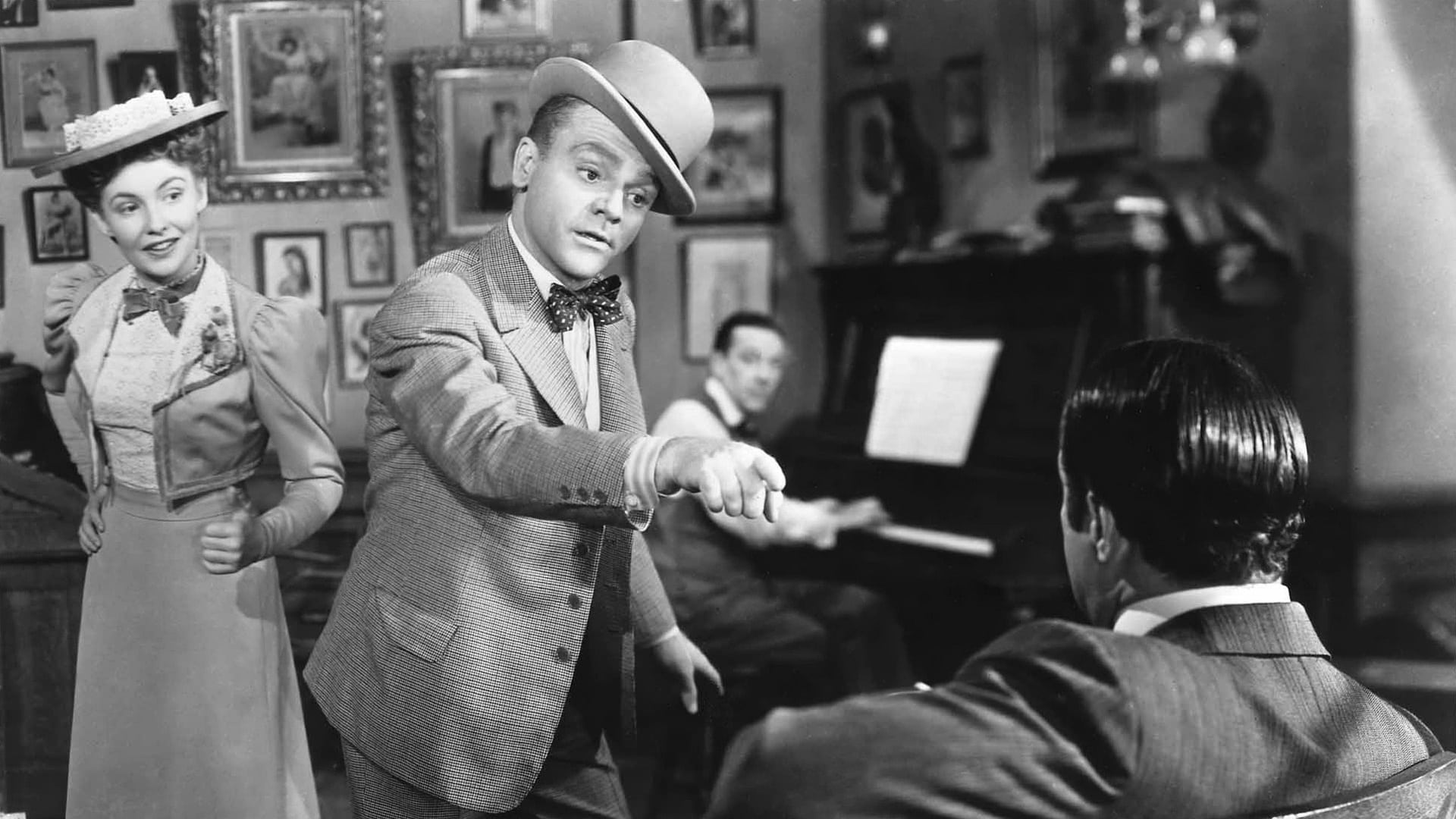
Michael Curtiz's "Yankee Doodle Dandy," released in 1942, is a three-time Oscar winner that tells the life story of an actor, dancer, and singer named George M. Cohan — a man widely called the founding father of the American musical comedy and said to be the man who owned Broadway.
I started watching this picture with genuine interest. For one thing, it was another opportunity to take in a biographical film. For another, it had won prestigious awards, and lead actor James Cagney took home the Oscar for Best Actor that year. But the result didn't impress me personally. The film felt slow and somewhat disjointed, and the framing device of the already-aged protagonist narrating his own story seemed to fragment the picture into small sketches, preventing you from becoming fully absorbed in a coherent narrative. The sheer abundance of musical and dance numbers shifts the focus away from the man's story, as if the film is deliberately concentrating on staging those numbers rather than on the human being at the center of it. Then again — this is a musical. So my complaints are my own problem.
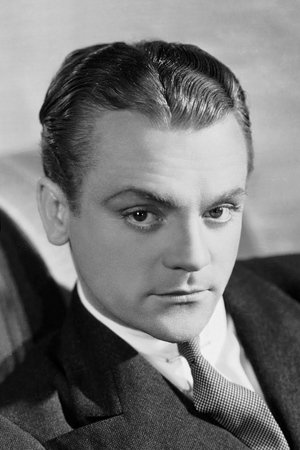
What does stay with you is James Cagney's vivid performance as the eccentric Cohan. Here is someone who is truly excellent and who earned his Oscar by every right. The actor's charm and charisma are complemented by a sharp sense of humor, making his character highly memorable. Cagney moves effortlessly between comic scenes and more emotionally weighty ones.
The screenplay displays humor and self-awareness regarding the patriotic ideals of the era. It explores themes of loyalty and devotion to one's country, heroism, and identity — drawing attention to the importance of such values while simultaneously carrying a lightness and its own particular comedic charm.
"Yankee Doodle Dandy" has clearly secured its place in history as a quality work at the intersection of comedy and drama, capturing the spirit and times of the Second World War. It was important to show both sides — to inspire people, and to do so with a smile. Yet the film appears to have been, in many respects, a loose interpretation of its protagonist's biography. After seeing it, George Michael Cohan himself reportedly said it was a good film. And somewhere on the internet there circulates a story about audiences praising it while saying: "Good film. But who was it about?" In another version, that line belongs to Cohan himself, said after watching it — hinting that the story on screen differed considerably from his real one.
5 out of 10