


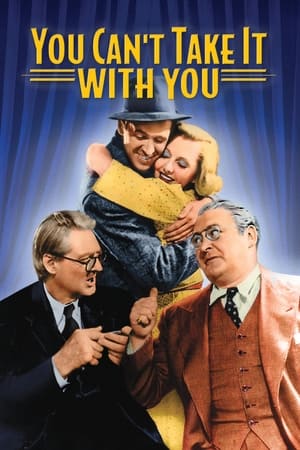





You Can't Take It with You(1938)
You'll love them all for giving you the swellest time you've ever had!
Imdb
7.80
30K VotesTmdb
7.50
441 VotesViewings
Alice, the only relatively normal member of the eccentric Sycamore family, falls in love with Tony Kirby, but his wealthy banker father and snobbish mother strongly disapprove of the match. When the Kirbys are invited to dinner to become better acquainted with their future in-laws, things don't turn out the way Alice had hoped.
Infos
Runtime
126 minutes
126 minutes
Directed by
Frank Capra
Frank Capra
Written by
Robert Riskin
Robert Riskin
People Interested
3
3
People Finished
4
4
Release Status
Finished
Finished
Release Date
9/1/1938
9/1/1938
Original Language
English
English
Origin Country
United States
Cast
Recommended Titles
Reviews
aleks-predator
3 months ago
6
Don’t Try to Take Everything With You
"You Can’t Take It with You" is one of Frank Capra’s important films and rightly holds a respected place in Hollywood history. At the time of its release, the movie made a strong impression: it was warmly received by both audiences and critics. Capra won his third Academy Award for Best Director for this film, and the movie itself was named Best Picture — an achievement that’s hard to overlook.
The film was released against the backdrop of serious economic hardship in the United States, when the topic of money felt especially sharp. In that context, the movie sounds almost like a reminder: not everything can be measured by income. The title speaks for itself — material things fade away, while what truly matters remains in people and relationships.
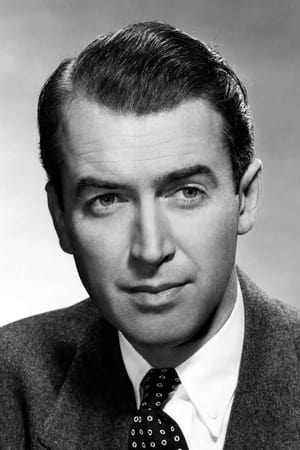
The cast immediately draws attention to Jean Arthur, whom many remember from "Mr. Deeds Goes to Town". And of course, a young James Stewart appears here as well. His character, Tony, falls in love with Alice — a simple young woman who works as a stenographer at his father’s company. He wants to marry her, but meeting her family turns out to be an unexpected challenge. Alice’s relatives live by completely different rules and at first glance may seem rather eccentric. This family is busy with things that are hard to call work — more like hobbies. Some make fireworks, others bake cookies, and some even distribute leaflets about the Red Revolution. In short, they live carefree lives, doing what they enjoy. They have money, don’t pay taxes, and don’t worry about consequences — and that’s enough for their happiness.
From the viewer’s perspective, such a lifestyle looks hardly possible, yet at the same time it’s clear that the film never aims to depict reality. This is one of the director’s clear achievements: convincing the audience that what they are watching is essentially a fairy tale — but an engaging one, allowing viewers to briefly escape their everyday problems and observe someone else’s story.
Frank Capra deserves credit for a film that doesn’t create illusions about such a way of life being realistic. However, that doesn’t mean people should forget about the real world. Tony’s father asks what would happen to the world if everyone played the harmonica, and that question remains unanswered. I saw in this the idea that it’s important to find balance and know moderation in everything. Cinema helps people dream, but real life should not be forgotten.
The film felt rather ordinary to me and didn’t evoke strong emotions. It’s a decent movie to watch as part of exploring films that won the Academy Award for Best Picture and Best Director. Still, I can imagine that some viewers may find it quite engaging and memorable.
6 out of 10