Magic from the Very First Frame
The first time I watched this film was when I was still a teenager. Back then, it didn’t make much of an impression on me. The story seemed sweet, but somehow too simple. I was already a teenager, and I thought the film was probably aimed at a younger audience. Recently, I rewatched the entire series, naturally starting with the first film. And then something unexpected happened: I started seeing it differently. Returning to Hogwarts after all these years allowed me to notice things that I had perceived differently before — the atmosphere, the attention to detail, and the creators’ genuine belief in magic.
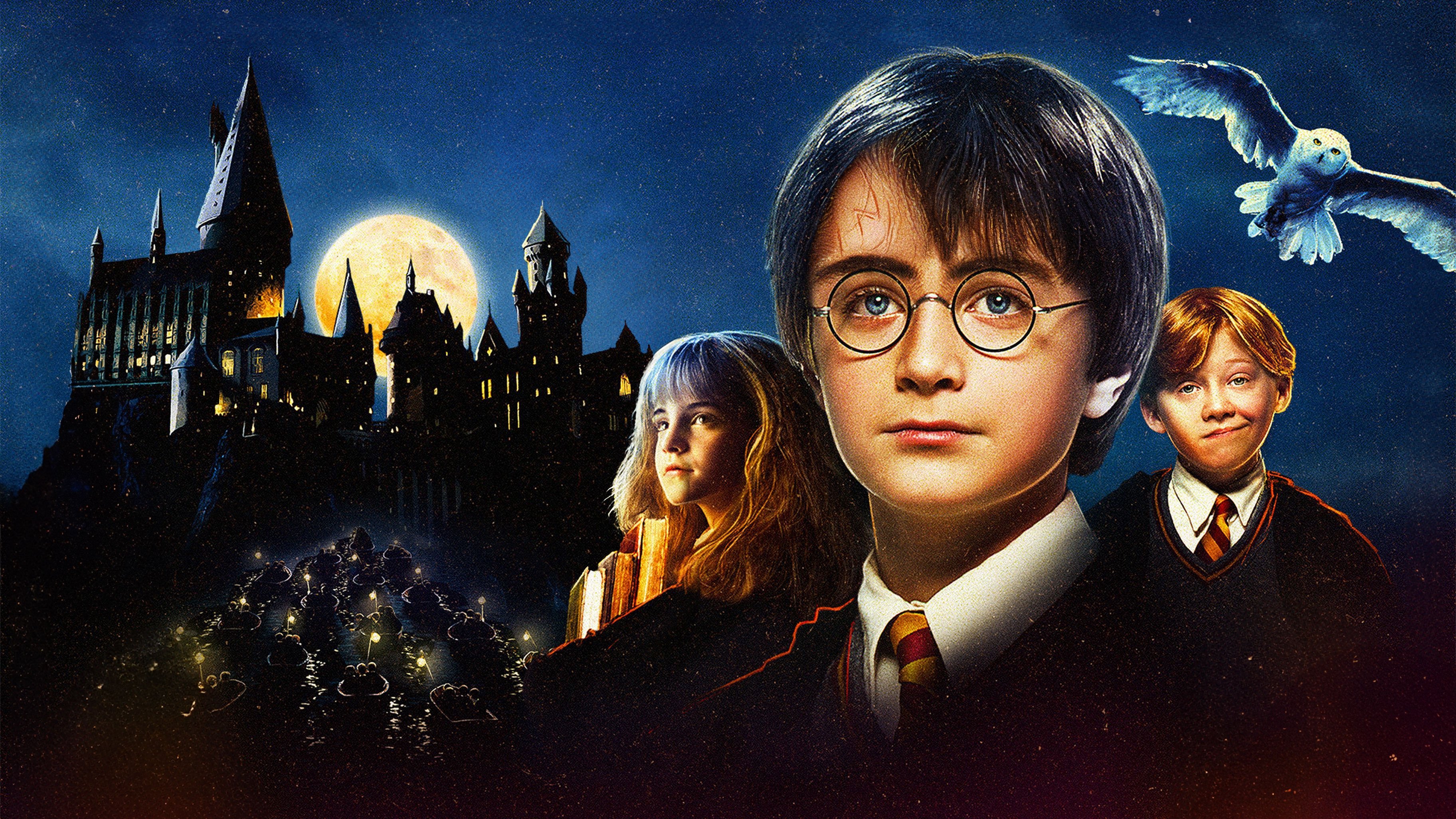
"The Philosopher’s Stone" is the first film in a long series. There is a long journey ahead for the viewer, but already here we are introduced to a world where magic is not just a special effect, but literally the language of the story. And a very vivid one at that. A boy who lived under the stairs and thought he was nobody suddenly discovers that he is a wizard. There is an entire grand story behind him that he never even knew existed, and now he is part of something much bigger than he ever imagined.
Chris Columbus turned out to be, perhaps, the perfect director for this chapter of the saga. He knows how to build children’s stories while preserving their dramatic side. It’s easy to think of "Home Alone" or "Mrs. Doubtfire". The director doesn’t chase unnecessary seriousness, and that is absolutely the right choice. After all, the young wizards are still children. It isn’t time yet for the darker and more serious things that will become important later. Hogwarts in Columbus’s hands feels welcoming, bright, and full of discoveries. But there are plenty of shadows here too, so things aren’t quite as cheerful and carefree as they might initially seem.
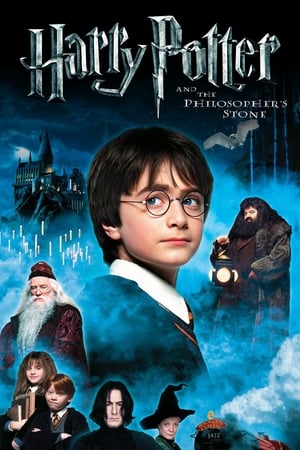
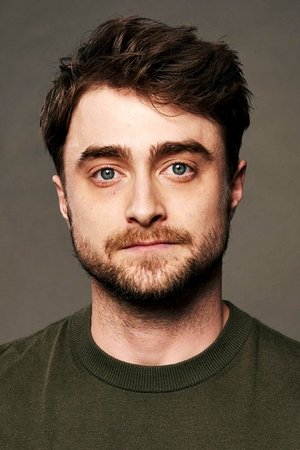
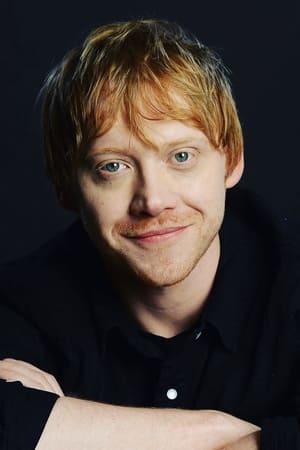
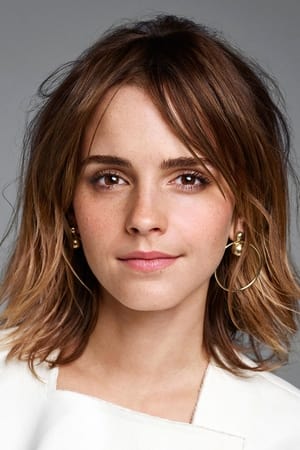
The cast is perfectly chosen. Now that you can look back at the entire series of films, this becomes especially obvious. Daniel Radcliffe’s Harry is more of an observer through whom the viewer discovers the magical world created by the filmmakers. His amazement, naivety, and restrained inner strength work well for the character. Emma Watson creates a convincing portrait of Hermione. She is strict, principled, but vulnerable — the kind of girl who can really give everyone around her a hard time. Rupert Grint brings lightness to the trio and is largely responsible for the humor. The actor even received a Golden Satellite Award for his work here. Good for him.
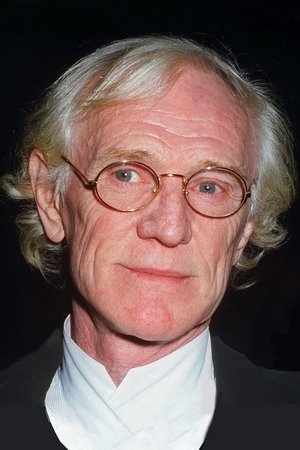
Among the adult cast, I especially want to highlight Richard Harris. His Dumbledore is gentle, old-fashioned, noble, and genuinely magical. Perhaps that is exactly how he should be. Robbie Coltrane, as Hagrid, creates a rare type of character — a giant with the soul of a child. Alan Rickman is, of course, fantastic. His Snape inspires both anxiety and curiosity from his very first scene, and you immediately understand that this man is going to be important. Each of these actors fills their character with distinctive qualities, making them memorable and enjoyable to watch.
The film still tackles serious themes, even though they are presented through the framework of a fairy tale. Finding yourself, friendship, courage, trust. Harry and his friends are learning magic, yes, but they are also learning how to be themselves, whom to trust, and how to understand the value of honesty and loyalty.
The three Oscar nominations — for production design, costumes, and music — are well deserved. Visually, the film is almost flawless, from the interiors of Hogwarts to the tiniest details of the magical objects. The filmmakers put tremendous care into every frame. John Williams’s score has long since become a classic in its own right. You hear those opening notes, and you’re already there, inside that world.
Compared with the later installments of the franchise, "The Philosopher’s Stone" lacks a certain sense of scale. But that makes perfect sense — it is, after all, an introduction. And in that role, the film works flawlessly. Every scene, whether it is a spell-casting lesson, a Quidditch match, or a visit to the Forbidden Forest, serves both the story and the viewer’s immersion into this new reality.
The finale is solidly constructed. It carefully hints that everything is only just beginning. There is no forced dramatization or unnecessary, overbearing pathos. It is a smart, well-paced film that can be watched both as a fairy tale and as the first page of a much larger epic.
To sum it up, I can say that rewatching the first film decades later changed the way I look at the entire franchise. I see it from a completely different perspective now. And what is really cool is that, as an adult, you experience this story differently. It’s great. The first film now feels warm, cozy, and almost nostalgic. And I find myself remembering it with a smile.
7 out of 10