

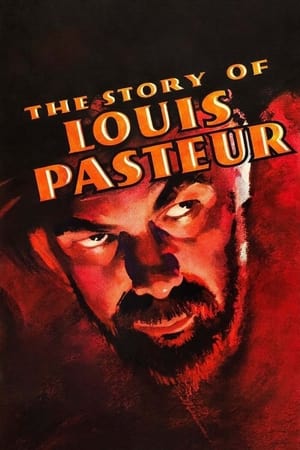





The Story of Louis Pasteur(1936)
If This Story Didn't Have a Happy Ending YOU and YOU and YOU Might Not Be Alive Today to See It...
Imdb
7.20
3.6K VotesTmdb
6.90
53 VotesViewings
No viewings yet. Add one to start tracking.
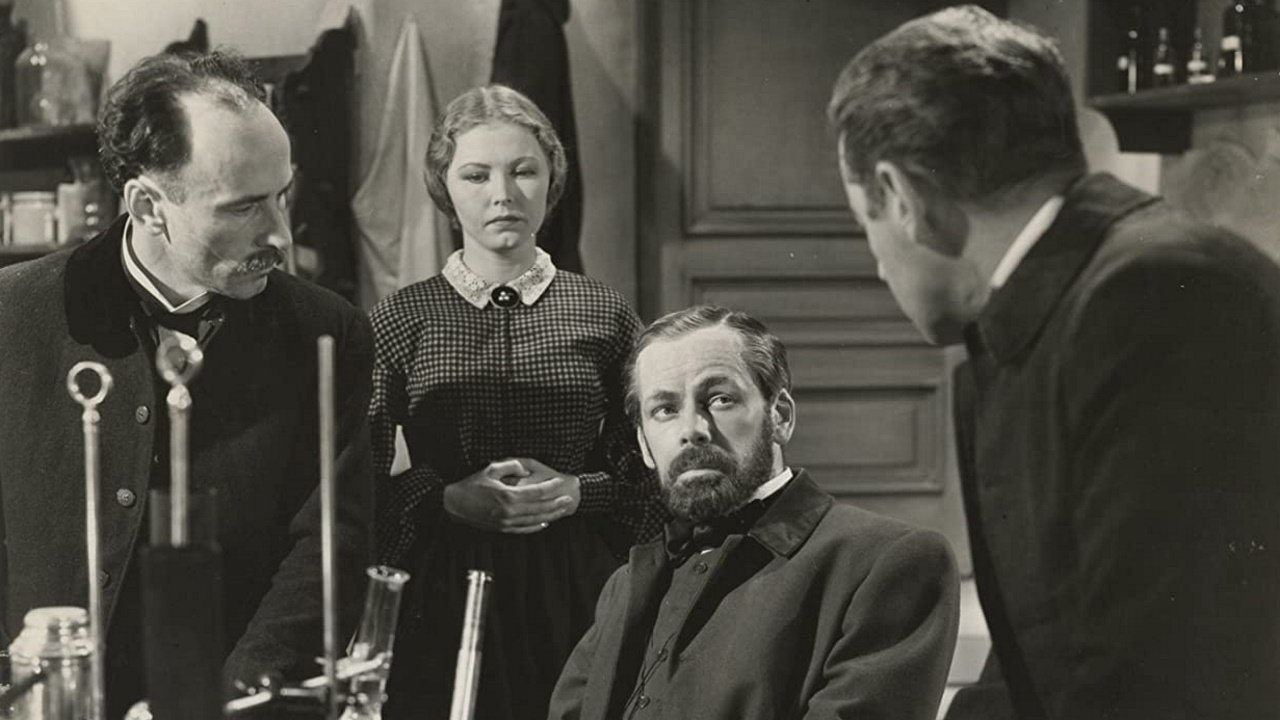
A true story about Louis Pasteur, who revolutionized medicine by proving that much disease is caused by microbes, that sanitation is paramount and that at least some diseases can be cured by vaccinations.
Where to watch

Infos
Runtime
86 minutes
86 minutes
Directed by
William Dieterle
William Dieterle
Written by
Pierre CollingsSheridan Gibney
Pierre CollingsSheridan Gibney
People Finished
1
1
Release Status
Finished
Finished
Release Date
2/22/1936
2/22/1936
Original Language
English
English
Origin Country
United States
Cast
Recommended Titles
Reviews
aleks-predator
11 months ago
7
A Story of a Man and a Scientist
After watching "The Story of Louis Pasteur" (1936), I was once again reminded how important films about historical figures are — stories of those who, in one way or another, shaped the course of human civilization. This picture by director William Dieterle vividly portrays the life of the famous French microbiologist and chemist Louis Pasteur, the man who laid the foundation for vaccines against several deadly diseases, including anthrax, rabies, and chicken cholera. Watching the artistic interpretation of such a figure is truly fascinating, even though most of the film focuses more on his scientific work than on revealing his personality.
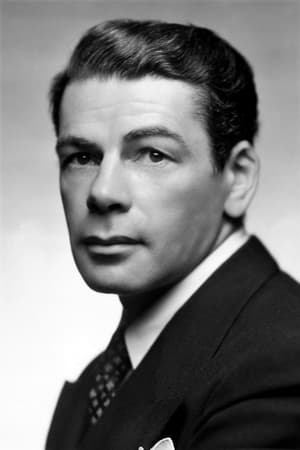
The role of Pasteur was played by actor Paul Muni, who deservedly won the Academy Award for Best Actor in 1937. In my opinion, it was absolutely justified. His performance makes it easy to empathize with the microbiologist, to follow the key milestones in his life, and to witness both Pasteur’s scientific triumphs and his personal struggles. Muni’s fellow nominees were also remarkable that year — Spencer Tracy in San Francisco and William Powell in My Man Godfrey — but to me, Muni was the most deserving of the "Oscar". His victory was well-earned.
Many of the things we now take for granted were once radical discoveries. It’s hard to imagine what it must have been like for the pioneers in various fields, who had to prove their theories and fight skepticism from the scientific community. Muni’s portrayal captures that perfectly — how Pasteur not only had to discover something new for himself, but also convince the world to accept it. That struggle, that intellectual tension, is powerfully conveyed through the actor’s performance.
I truly enjoyed this film. "The Story of Louis Pasteur" is a solid, well-crafted piece of cinema, not without its flaws or the director’s subjective touch, but heartfelt nonetheless. It offers a glimpse into the life of a man who dedicated himself to the betterment of humanity — a man strong enough to stand by his discoveries, which eventually became fundamental truths.
7 out of 10