





Double Indemnity(1944)
It's love and murder at first sight!
Imdb
8.30
183K VotesTmdb
8.08
2.1K VotesViewings
No viewings yet. Add one to start tracking.
An insurance representative is seduced by a dissatisfied housewife into a scheme of insurance fraud and murder that arouses the suspicion of his colleague, a claims investigator.
Where to watch

Infos
Runtime
107 minutes
107 minutes
Directed by
Billy Wilder
Billy Wilder
Written by
Raymond ChandlerBilly Wilder
Raymond ChandlerBilly Wilder
People Interested
11
11
People Finished
34
34
Release Status
Finished
Finished
Release Date
7/6/1944
7/6/1944
Original Language
English
English
Origin Country
United States
Cast
Related Titles
Same Universe
0
7.40
Movie
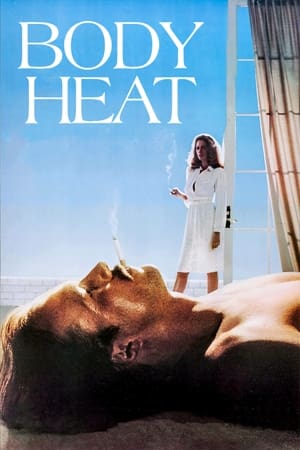
Body Heat
Recommended Titles
Reviews
aleks-predator
2 months ago
7
A Fatal Woman, Cigarette Smoke, and Shared Sin
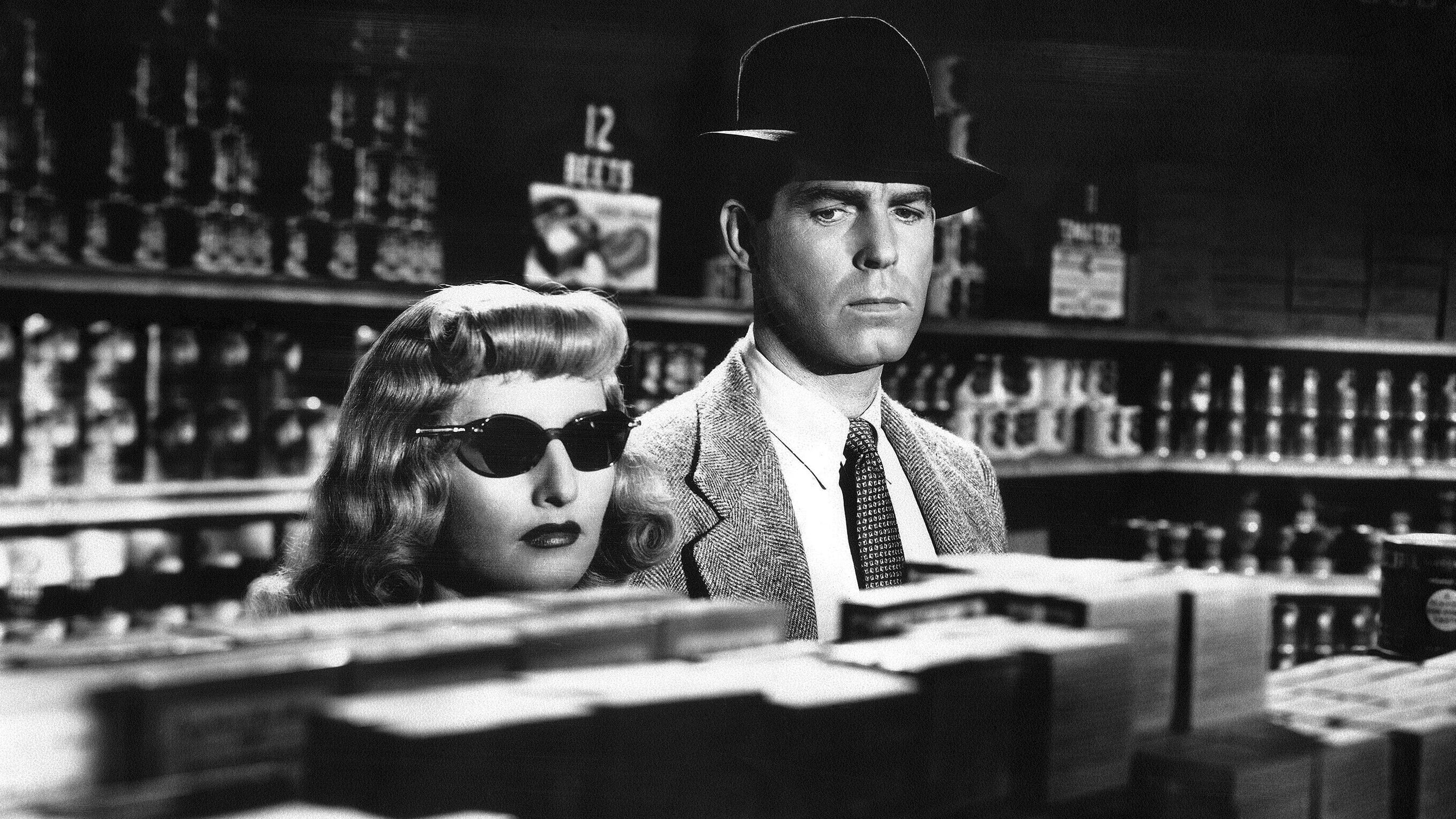
"Double Indemnity" is what you'd get if someone gathered into one story everything we love about classic noir: sharp shadows, taut dialogue, femmes fatales, and men who make all the wrong decisions. The film came out in 1944, directed by Billy Wilder, and remains to this day a vivid example of the genre — largely because it works on emotion, not just on plot.
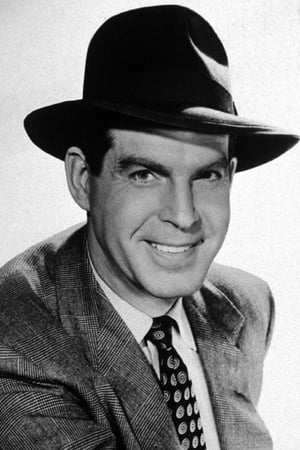
At the center of the story is insurance agent Walter Neff, played by Fred MacMurray, who one day calls on a client and never comes back the same. Barbara Stanwyck plays Phyllis — predatory, charming, ice-cold, and very determined. Her plan is simple: get rid of her husband and collect the insurance money. And Walter, seemingly a decent enough fellow, suddenly finds himself neck-deep in the scheme. From there it's a downward spiral: lies, fear, suspicion. Nothing extraneous, everything to the point.
The whole film is like a wire being slowly pulled taut. You sense that everything will collapse — and yet you can't look away. When Neff's superior, Barton Keyes, played by Edward G. Robinson, enters the picture, a genuine game of cat and mouse begins. Keyes is smart, stubborn, tenacious — without him the story simply couldn't happen.
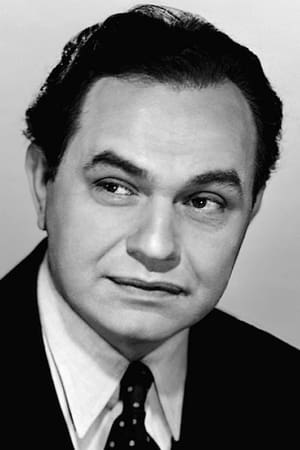
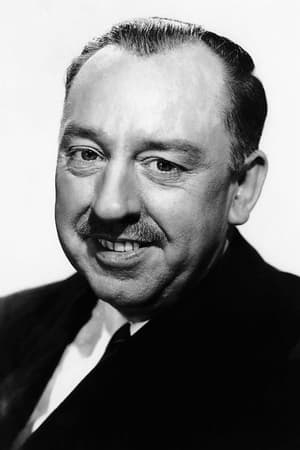
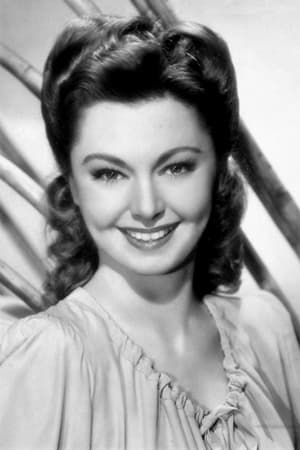
What works especially well is the acting. MacMurray was a perfect fit for the role of the ordinary man drawn in by circumstances. His Neff is not a villain, but not a hero either. Stanwyck is excellent — every scene with her is charged with tension. And Robinson? He seems to know more than anyone but says less than everyone. A real detective you actually believe.
Everything is shot according to genre convention, and shot well: high-contrast lighting, narrow shadows falling across faces, striped window light, a staircase down which the hero descends — literally and figuratively. Wilder and his cinematographer John F. Seitz made a film that doesn't age, because what matters here is not special effects but atmosphere.
Atmosphere and dialogue. The screenplay was written by Wilder and Raymond Chandler, author of exceptional crime fiction. Here almost every line carries a subtext — nothing is stated directly, everything is between the lines, which makes it doubly interesting if you're paying close attention. Everything is exactly where it should be.
The film received seven Oscar nominations, but that year the prizes went to other projects. All the same, "Double Indemnity" has outlived them: today it's a classic well worth discovering or revisiting. In 1992 it was added to the United States National Film Registry — deservedly.
This is not an ordinary crime story. It's a story about how quickly you can cross a line. And how rarely anything good comes from it.
7 out of 10