Discover
Community
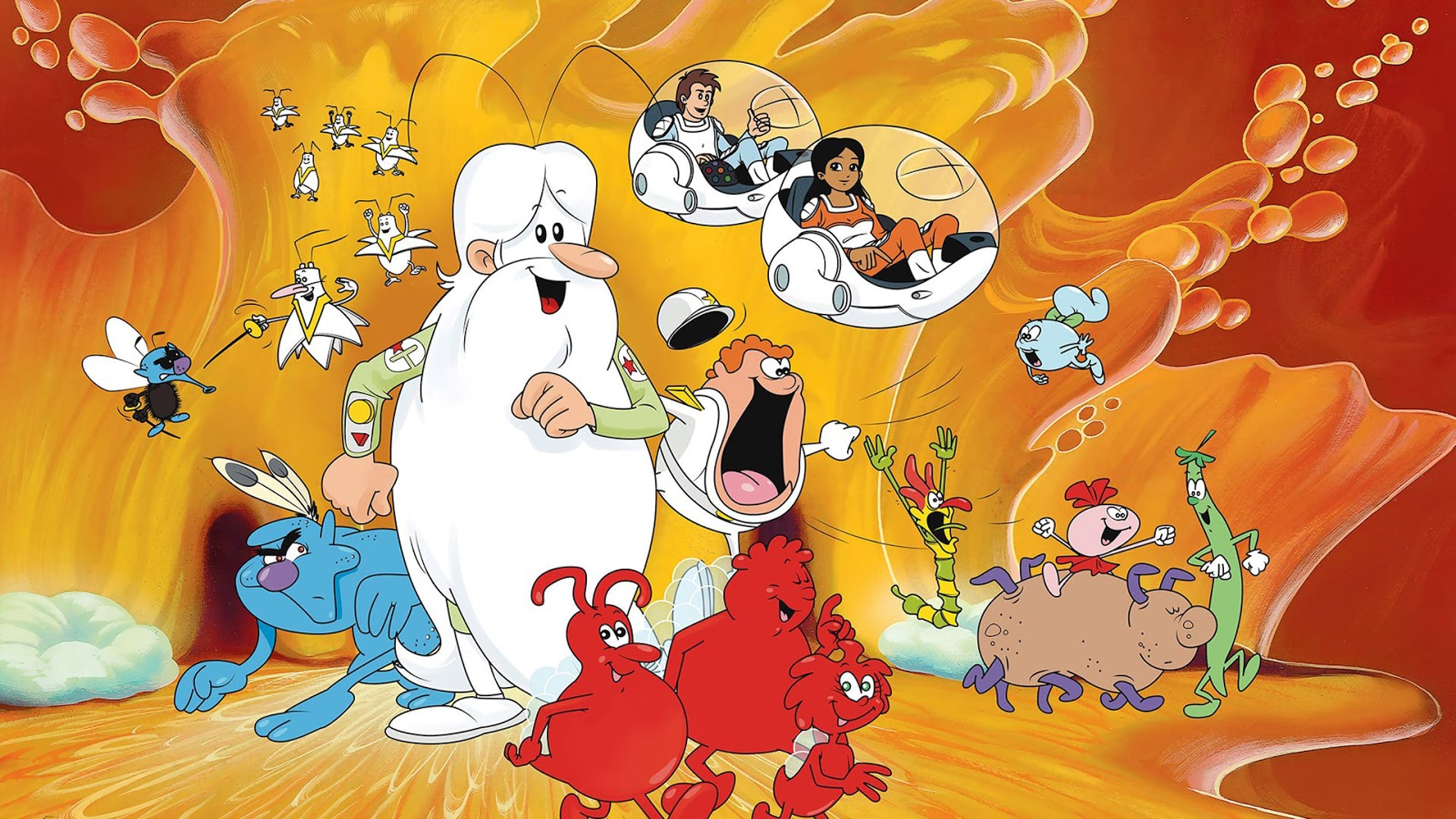
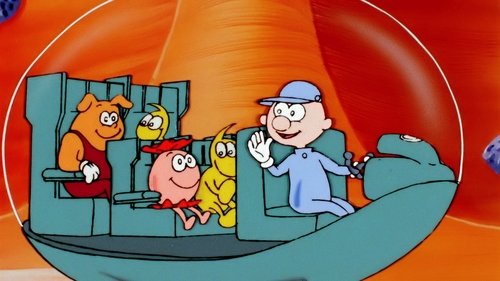
Buckle up for a head-to-toe adventure through the human body as this animated series explores the workings of our cells, hearts, brains and more.
The world of cells is incredible! Activating enzymes, stopping viruses, and managing the body’s police force: it’s all in a day’s work for Teacher.
9/13/1987
After the first cell is fertilized, division and diversification take place to create the 60 trillion cells of the human body.
9/20/1987
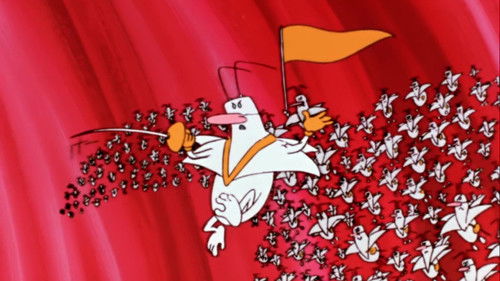
The body’s police force is taught to neutralize its enemies (microbes and viruses), which reproduce at an alarming rate! It’s a very complex task.
9/27/1987
Red blood cells, the body’s police force, are created in the bone marrow but sometimes, the factory breaks down and wayward policemen come out. Uh oh!
10/4/1987
The steadfast red blood cells have come down with the flu! Pedrito and Psi get some help from the Teacher’s antibodies to beat the enemy.
10/11/1987
Pedrito cuts his finger with a dirty knife. While the platelets try to cure the wound, the white blood cells fight off the filthy invaders.
10/18/1987
Globus takes Hemo and Globina on a tour through the human body’s cathedral: the heart and circulatory system. It’s an impressive adventure.
10/25/1987
Air bubbles travel from the nose to the lungs. In the swampy, mucus-filled areas, they meet the red blood cells that transport them around the body.
11/1/1987
Teacher introduces Hemo and Globina to the most mysterious organ: the brain. They learn about behavior, the senses, and much more.
11/8/1987
The body’s messengers run around sending and receiving information about feelings like hunger and cold. They work day and night and never take breaks.
11/15/1987
Eyes are magical! They break down and transmit images to the brain. What happens if a speck of dust gets into one? It’s tear enzymes to the rescue.
11/22/1987
The ear is composed of cells that sense vibrations and transmit them to the brain. Then, the brain transforms them into words and sounds.
11/29/1987
Skin is the first barrier against external aggression and helps eliminate waste. From cuts and scrapes to bug bites, it stays pretty busy.
12/6/1987
Yum! Candy! But sugar strengthens the bacteria around the gums and attacks the tooth enamel, which can cause cavities.
12/13/1987
After a tasty meal the food starts its journey to the stomach where it will be broken down depending on what properties it has. But don’t overdo it!
12/20/1987
The liver is fundamental. It doesn’t weigh a lot but it uses almost as much oxygen as the heart! It makes proteins, corpuscles, and helps heal cuts.
12/27/1987
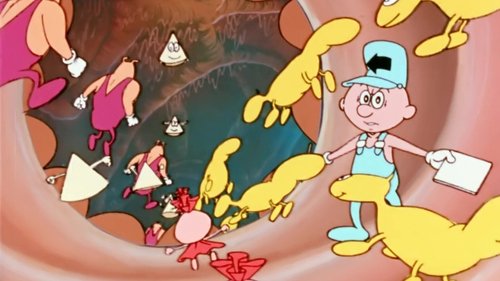
Toxic elements head to the kidneys where they are categorized. The good ones are salvaged but the bad ones are sent to the bladder. Have a good trip!
1/3/1988
The huge lymph network transports everything to the body’s factories. Infectious intruders beware! This place is well protected.
1/10/1988
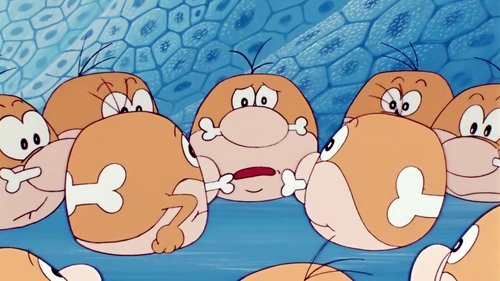
The architecture that protects the body’s organs is magnificent! However, even the slightest fracture can cause significant damage.
1/17/1988
Muscles account for almost half the weight of the human body. They also need a ton of energy to do their jobs correctly.
1/24/1988
Combat teams act as preventative barriers and are prepared to defend the cell’s nucleus against toxic gases and contaminants.
1/31/1988
Vaccines bring us so many benefits! People who don’t get vaccinated run the risk of contracting a disease that is stronger than our natural defenses.
2/7/1988
At the heart of the hypothalamus, Teacher shows us how this region sends out orders to satisfy all the body’s needs.
2/14/1988
A walk in the forest is the perfect way to learn about the extraordinary food chain that exists between the sun, vegetation, animals, and man.
2/21/1988
Pedrito is 8 years old and is tired after a long day. When he goes to bed, Teacher and his helpers observe the activity that continues during sleep.
2/28/1988
Pedrito wants to know why his grandpa can’t play ball anymore, so he tells Pedrito an old story about a sphinx.
3/13/1988