The History of the Great Games
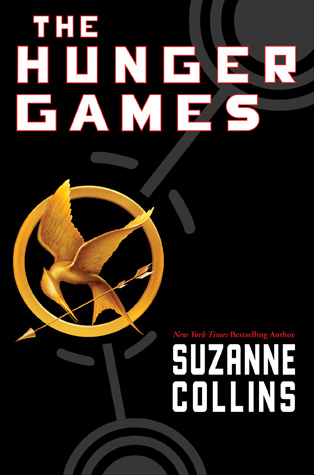
After watching the impressive film adaptation of The Hunger Games, I looked at the release schedule for future sequels and realized that I did not agree to wait for years. The story was really impressive, and I wanted to read what would happen next. And naturally I started with the first book in the series about the world created by Susan Collins. The story fully met my expectations, turning out to be the same exciting and profound work as the film.
"The Hunger Games" is not just a story about survival in a brutal post—apocalyptic world, but also a powerful social allegory that touches on important topics such as power, inequality and the struggle for human dignity. Collins masterfully creates the world of Panem, a gloomy society divided into districts where a totalitarian dictatorship rules and the brutal cult of the "Hunger Games" flourishes. The atmosphere of this world captures from the first pages, and I just can't tear myself away from the book.
It is especially worth noting how Susan Collins prescribes her characters. Katniss Everdeen is the main character, surprisingly multifaceted. She is not only forced to survive in the harsh conditions of the arena, but also faces moral dilemmas that make her a true hero of her time. Katniss appears to the reader not as a fearless warrior, but as a person who fights for life and dignity, despite internal fears and doubts. This humanity and vulnerability make her incredibly close and understandable to anyone who has faced difficult decisions in their lives.
Other characters also deserve attention. Pete Mellark, with his dedication and inner strength, Gail Hawthorne, symbolizing resistance and anger against injustice, and Haymitch Abernethy, who hides his pain behind cynicism and sarcasm — they all add depth to the story and make it more intense. Collins pays attention to each of them, creating vivid and memorable images that stay with the reader for a long time.
The plot of the book keeps you in suspense until the very end. Collins skillfully combines dynamic action scenes with moments of inner introspection and reflection, which makes the narrative not only exciting, but also rich in meaning. Each plot twist feels like an unexpected, but at the same time a logical step that immerses you into a world where nothing is guaranteed and survival requires maximum effort.
Another important aspect of the novel is its ability to evoke deep emotions. Reading The Hunger Games makes you think about how far society can go in its cruelty, and how easily human life can become just entertainment for the masses. This makes the book not just a fascinating read, but also a work that leaves a deep mark and makes you rethink many aspects of modern life.
Overall, "The Hunger Games" by Susan Collins is a great novel that not only captures the spirit with its plot and atmosphere, but also evokes a strong emotional response. If you liked the movie, the book will surely make an even greater impression, immersing you in the world of Panem and allowing you to better understand all its inhabitants. Collins has created a worthy, exciting and intelligent story that will remain in the memory and heart of every reader for a long time.
7 out of 10