





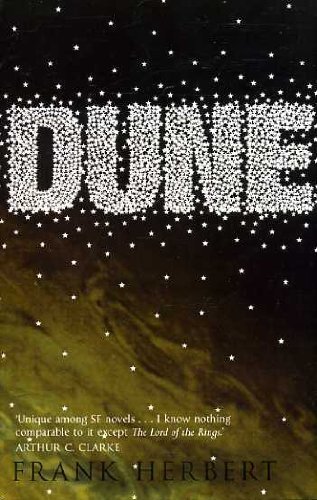


Set on the desert planet Arrakis, Dune is the story of the boy Paul Atreides, heir to a noble family tasked with ruling an inhospitable world where the only thing of value is the “spice” melange, a drug capable of extending life and enhancing consciousness. Coveted across the known universe, melange is a prize worth killing for...
When House Atreides is betrayed, the destruction of Paul’s family will set the boy on a journey toward a destiny greater than he could ever have imagined. And as he evolves into the mysterious man known as Muad’Dib, he will bring to fruition humankind’s most ancient and unattainable dream.
Infos
658
Hardcover
English
9
8
Ace
6/1/1965
9780593099322
059309932X
Arrakis, Caladan, Giedi Prime, Harko, Arrakin, Sietch Tabr
Dune Series
BOOK 1
Dune
BOOK 2

Dune Messiah
BOOK 3

Children of Dune
BOOK 4

God Emperor of Dune
BOOK 5

Heretics of Dune
BOOK 6

Chapterhouse: Dune
BOOK 7
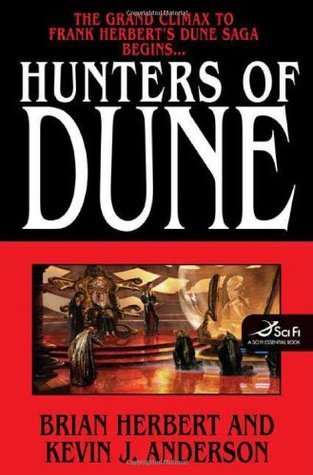
Hunters of Dune
BOOK 8
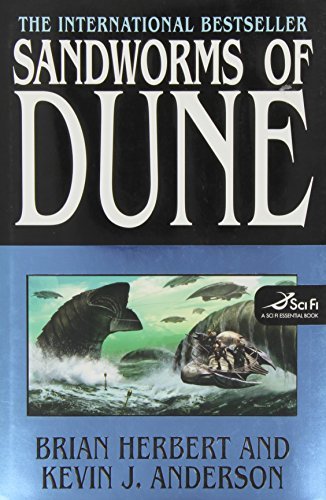
Sandworms of Dune
Shelve The Battles of Dune

The Battles of Dune
Shelve The Dune Audio Collection
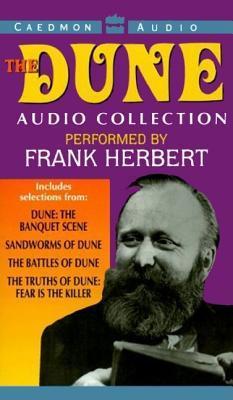
The Dune Audio Collection
Shelve The Dune Encyclopedia

The Dune Encyclopedia
Shelve The Road to Dune

The Road to Dune
Shelve The Truths of Dune: Fear is the Mind Killer

The Truths of Dune: Fear is the Mind Killer
BOOK 1-3

The Great Dune Trilogy
BOOK 1-4

Dune Series 1 to 4 Book : 4 Books Collection Set
BOOK 1-5

Dune Collection, 5 Vols.
BOOK 1-5

Dune Series 5 Books Collection Set
BOOK 1-6

Frank Herbert's Dune Saga Collection
BOOK 2-3

Dune Messiah & Children Of Dune
BOOK 4-6

The Second Great Dune Trilogy
BOOK 5-8
