

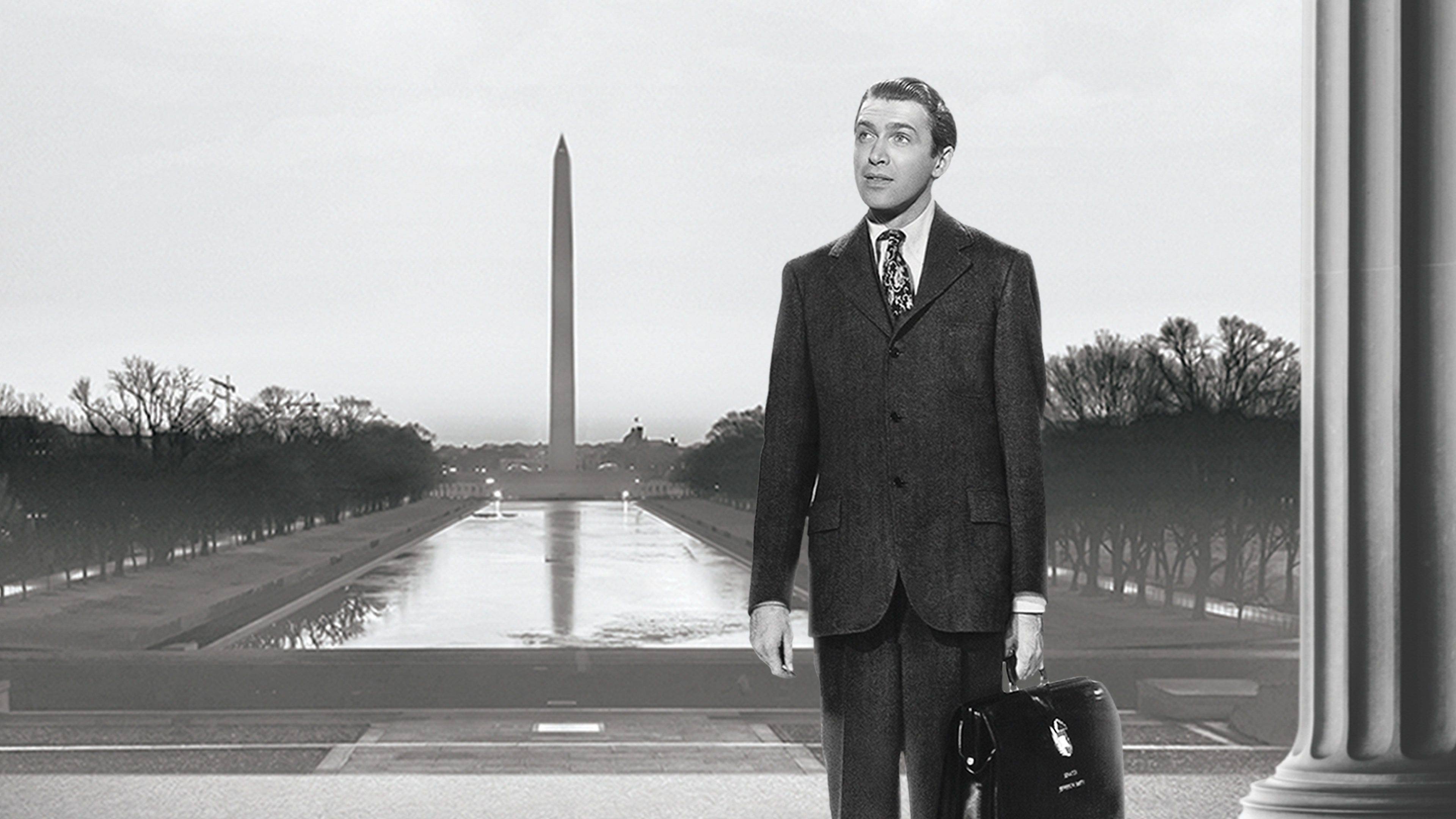
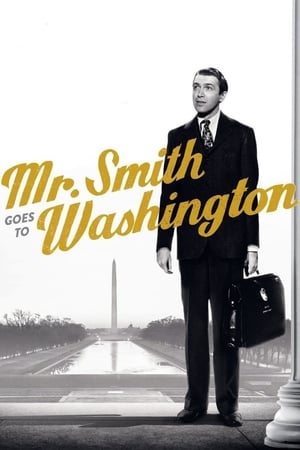




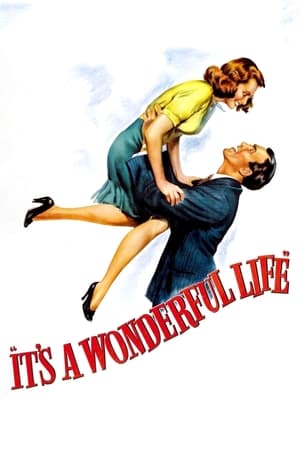

Mr. Smith Goes to Washington(1939)
Romance, drama, laughter and heartbreak... created out of the very heart and soil of America!
Imdb
8.10
130K VotesTmdb
7.80
1.2K VotesViewings
No viewings yet. Add one to start tracking.
After the death of a United States Senator, the idealistic Jefferson Smith is appointed as his replacement in Washington. The naive and earnest new senator soon finds himself battling political corruption.
Where to watch

Infos
Runtime
130 minutes
130 minutes
Directed by
Frank Capra
Frank Capra
Written by
Sidney Buchman
Sidney Buchman
People Interested
5
5
People Finished
13
13
Release Status
Finished
Finished
Release Date
10/19/1939
10/19/1939
Original Language
English
English
Origin Country
United States
Cast
Related Titles
Recommended Titles
Reviews
aleks-predator
8 months ago
7
Did Mr. Smith Win?
Frank Capra is often criticized for being naive. People say he believes in humanity too much, that his characters reach the light too easily by the final act. There is some truth to these claims, but they’re also rather superficial. Capra isn’t about rose-colored glasses — he’s about choice. About what a person can be if, at a certain moment, they don’t turn away from the right path.
Classic Hollywood rarely did without happy endings. Studios were afraid to take risks, and audiences wanted to leave the theater with a sense of hope. Sometimes those endings really did feel forced. But with Capra, the feeling is different: his finales don’t come from pressure, but from inner conviction. They’re part of his worldview, his humanistic stance, not a concession to censors or producers.
All of this fully applies to "Mr. Smith Goes to Washington". Jefferson Smith, played by James Stewart, is not just a “good guy.” He represents an ordinary person who doesn’t see himself as a hero and doesn’t believe he can defeat the system on his own. And, generally speaking, he’s right. It’s not a single person who wins, but an idea — more precisely, the honesty with which that idea is brought to the people. The film doesn’t claim that evil is something alien or innate. On the contrary, it’s unsettlingly honest: the corrupt politicians here are the same kind of people as we are. They simply found a justification at some point. Then another. And another. Until the line blurred. And that’s when you inevitably catch yourself thinking: which of us is immune?
Capra uses satire not for laughter, but as a tool. His films are a kind of mirror — not a distorted one, but a fairly direct one. Looking into it can be uncomfortable, but it’s useful. For Capra, art doesn’t have to change the world instantly. Its task is more modest and more difficult: to help the viewer reflect, notice their own weaknesses, and see them from the outside. And for that, not only heavy philosophical treatises are suitable, but also seemingly light, accessible films.
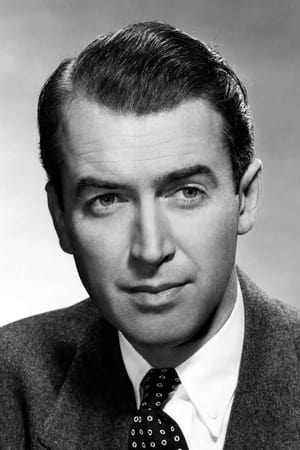
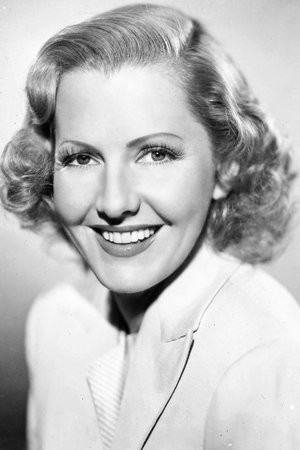
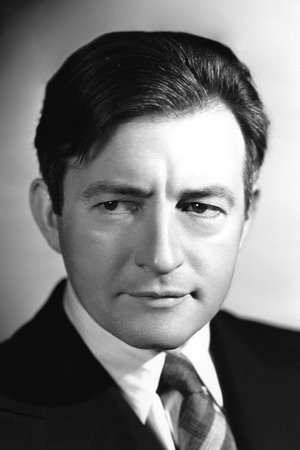
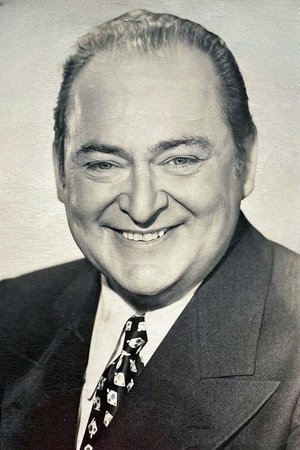
Putting philosophy aside for a moment, the film also stands strong thanks to its performances. James Stewart is incredibly natural here: his Smith is sincere, a bit naive, but not foolish. Jean Arthur brings warmth and vitality to the story — her character isn’t just there to support the protagonist, but stands as a full-fledged and important figure in her own right. Edward Arnold and Claude Rains are also excellent, each strong in his own way.
In the end, this is a powerful and stylish classic. Not for everyone and not just for a casual evening, but a film that is definitely worth seeing. It’s no coincidence that it won an Academy Award for Best Story and was added to the U.S. National Film Registry. Even years later, it still works — both as cinema and as a reason to think.
7 out of 10